Large selection Unique brands Nice prices


« Back to Tips & Guides

Important with varied training?
In order for a horse to strengthen its body and build muscle without risking injuries, the key to is often varied exercising. This applies whether you have a horse that is being trained and competed at a high level or trained at hobby level.
Variation is not only necessary to create a sustainable horse, but for the horse to think it is fun to work. There are few horses who appreciate being ridden hard on the riding track every day, even though they willingly will do what we ask for. Your jumping horse will not get better by jumping high obstacles every day. And the dressage horse will not appreciate being trained in the riding hall all year, rather the opposite. When you train unilaterally, there is a great risk that your horse will lose motivation to work and your development will probably stop. One-sided exercise also comes with a great risk of injury as the risk of overload increases.
How do I vary the workout?
Exercising varied does not only mean that you ride in woods and land - it can be, for example lunging, long lunging, climb or gallop your horse.
Lunging
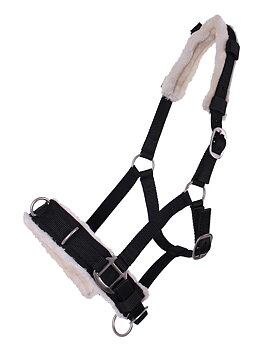
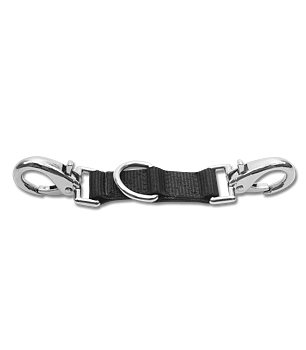
Lunging is often used when breaking in and preparing young horses for training, but it is also a way to exercise a horse without a rider on the back. When lunging, the horse moves around you in a large circle where you control the horse with the help of a longing line, whip, your own voice and body language. When you are lunging, the most gentle alternative is to use a so-called cavesson. A cavesson looks like a regular bridle, but with a muzzle with rings over the muzzle where you can attach the lunting-line. If you use a cavesson, you can never risk damaging the horse's mouth. You can choose whether you want the horse tense or not - but a nice exertion is preferable for the horse to work properly. You can choose to have a lengthening belt where you use the rope as a clamping bridle.
Long lining
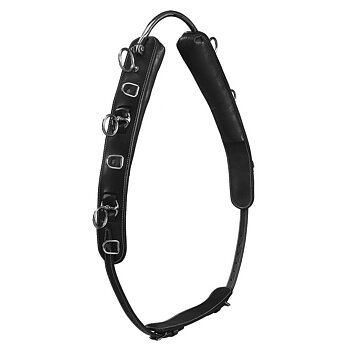
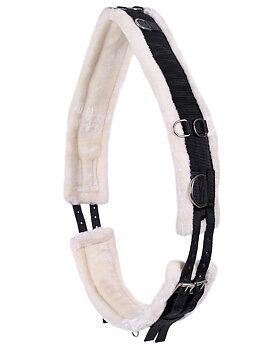
When long lining you use a training-girth where you attach two lines on each side of the horse. Long lining gives you more control over the horse than you have when lunging as you have two lines instead of one, one of which is attached to the horse's outside and the other to the inside. The benefits of working the horse on a long line are many - you have an opportunity to see how the horse moves, your communication improves & you have an opportunity to learn and consolidate movements from the ground before sitting up and testing in the saddle. There is a lot to keep in mind when long lining with everything from the two lines, whips, horses and your own position. Does it feel too difficult? Ask for help! There are many people who are good at long lining and who are happy to help you.
Climbing and off-road riding
Getting out into the woods and climbing and riding over logs and rocks is something that helps develop the horse's musculature. Uphill training helps the horse use the muscles of the neck, back and hind legs properly and can be ridden in all gaits as long as the hill is not too steep. Bring a friend and take you out into the woods for a fun break from dressage and jumping workouts - both you and the horse will appreciate it!
Gallop Training / Endurance
The horse builds up his fitness fairly quickly with the right training. A horse that is put off retains its strength and fitness for about a month without training. The best way to train the horse's muscles, heart and lungs is cardio training in the form of canter intervals. Make sure to gallop for short periods and then take a break before repeating this a number of times. Soon you will find that your horse has better fitness and can do more training.
One tip to make sure you exercise varied is to make a weekly schedule. For example, a weekly schedule might look like this:
Monday: Outdoor ride with back training & climbing
Tuesday: Lunging or long lining
Wednesday: Dressage on the track
Thursday: Walk in the forest - varied ground
Friday: Rest day
Saturday: Cavaletti / small obstacles on the course
Sunday: Outdoor riding
By creating and following a weekly schedule you will get a better overview of your training in order to evaluate and adapt your riding to the horse. It is important to keep in mind that horses are individual individuals with different conditions. Your training needs to be tailored to your particular horse and to find out what suits your horse, training planning can be good. You then have the opportunity to go back in the planning and check out what previous weeks looked like to arrive at a winning concept. Good luck!