 Large selection




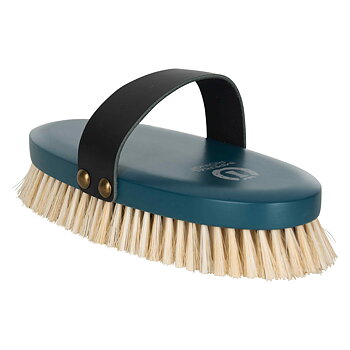
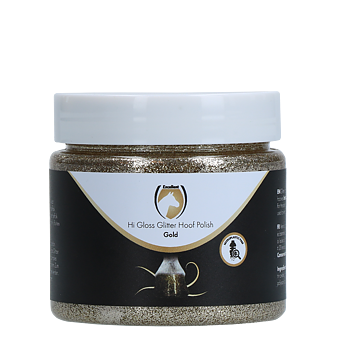
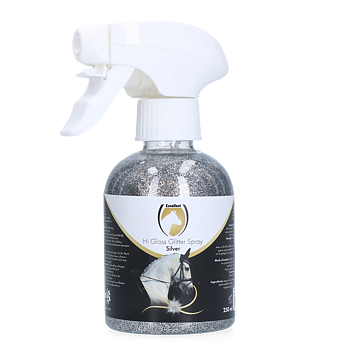
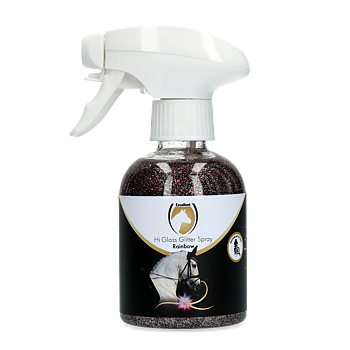


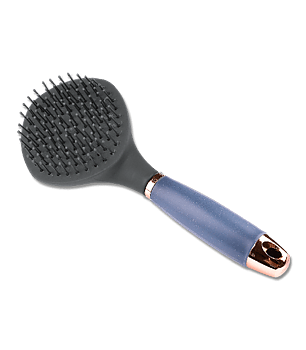
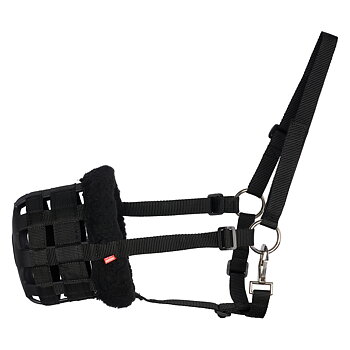
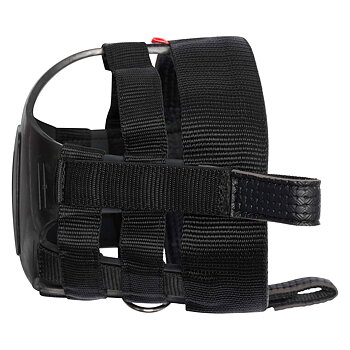
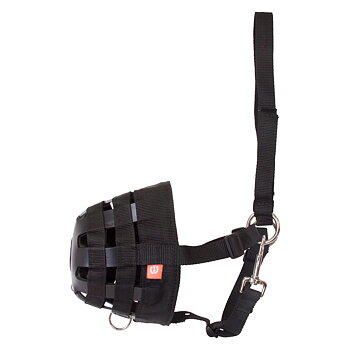




Grooming for horses
Proper grooming is one of the most important aspects of horse care. A thorough daily grooming routine keeps the horse's coat, skin, mane and tail in excellent condition while also providing a valuable opportunity to check for injuries, swellings or skin issues that might otherwise go unnoticed. Grooming stimulates the natural production of skin oils, which contribute to a healthy, gleaming coat. It also forms a natural bonding ritual between horse and handler, building trust and making the horse more comfortable with being handled and touched all over its body.
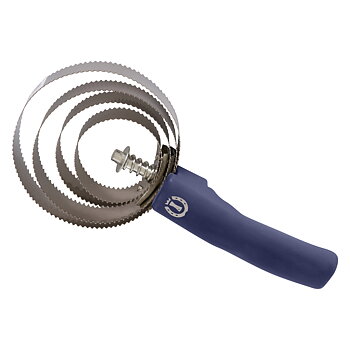
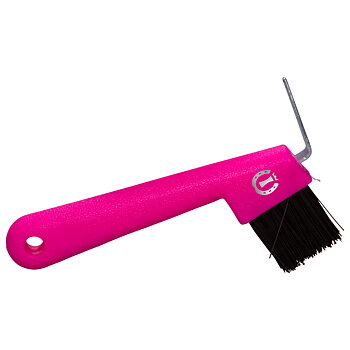
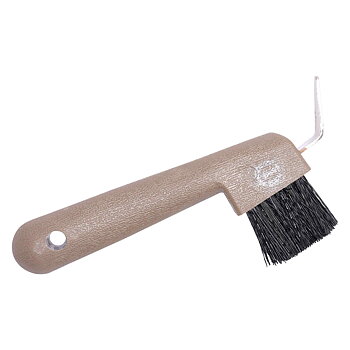
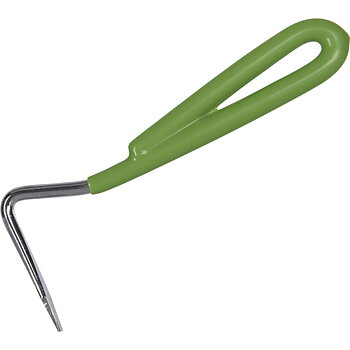
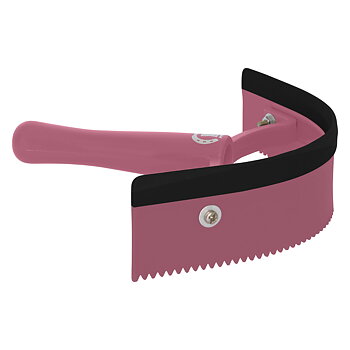
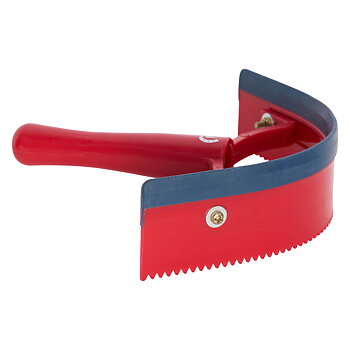
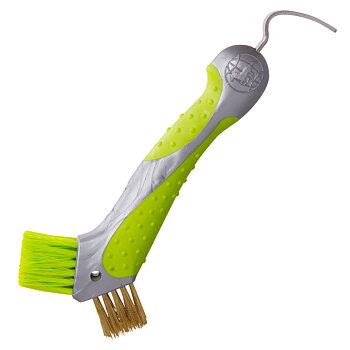
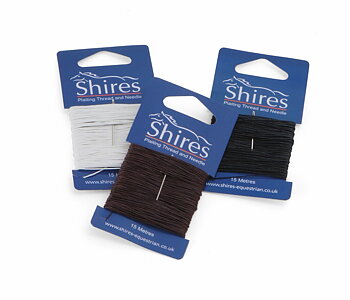
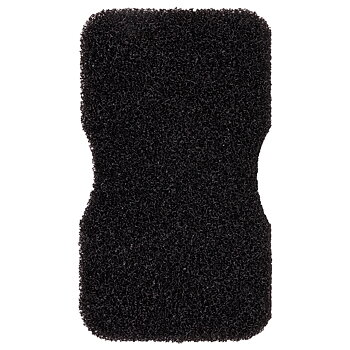
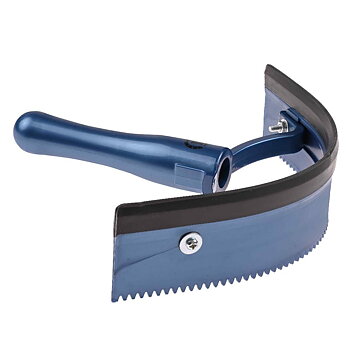
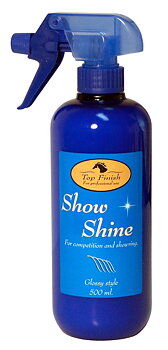
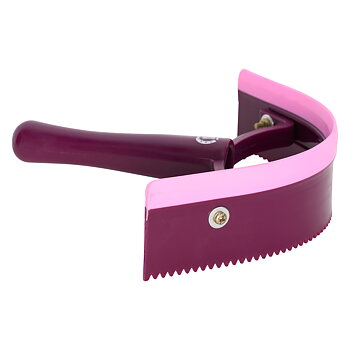
The right equipment makes all the difference in an effective grooming routine. A well-stocked grooming kit should include brushes of varying firmness for different areas of the body, a sweat scraper for post-exercise use, sponges, mane and tail combs, and a hoof pick for daily hoof cleaning. Depending on the season and the horse's workload, you may also need clippers to manage coat length. During winter months, horses that are in regular work are often clipped to prevent excessive sweating and to make cooling down after exercise quicker and more manageable. Coat care products such as detanglers and shine sprays can help maintain the appearance and condition of the coat throughout the year.
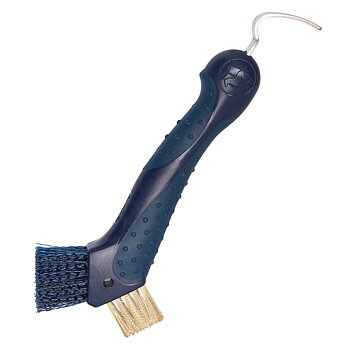
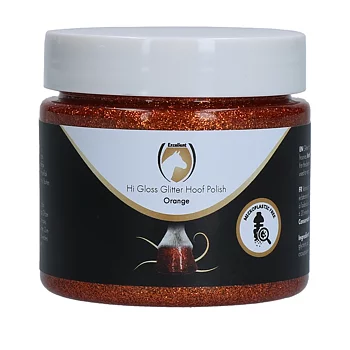
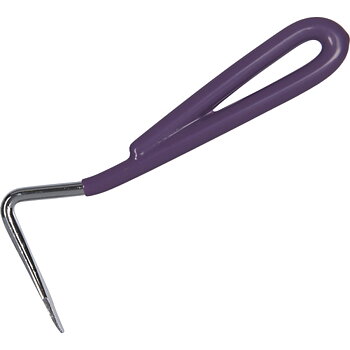
Hoof care is an essential and non-negotiable part of every grooming session. Picking out the hooves daily removes dirt, stones and debris that could cause discomfort or damage. Regular inspection also allows you to spot early signs of thrush, a bacterial condition that thrives in moist, dirty conditions, or other hoof problems. Beyond daily cleaning, the application of hoof oil helps maintain the correct moisture balance, preventing the hoof wall from becoming overly dry and brittle. A comprehensive approach to grooming – covering coat, mane, tail and hooves – is the foundation of good equine health and welfare.
Frequently asked questions about horse grooming
How often should you groom a horse?
Horses should ideally be groomed at least once a day, both before and after riding or exercise. Daily grooming stimulates blood circulation in the skin and distributes natural oils throughout the coat, keeping it healthy and shiny. It is also the best opportunity to check the horse thoroughly for any cuts, swellings, heat or other abnormalities. Regular grooming builds trust and makes the horse more relaxed and cooperative during handling.
What brushes do you need for horse grooming?
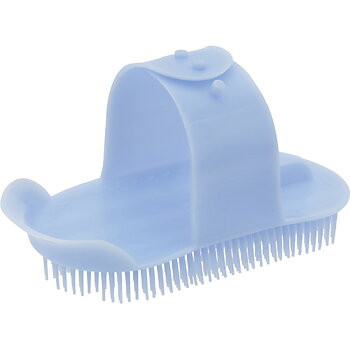
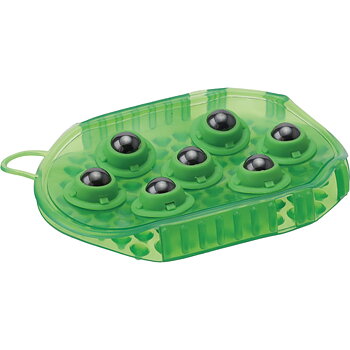
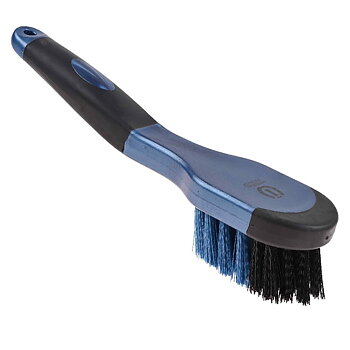
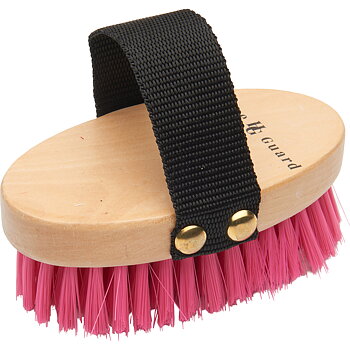
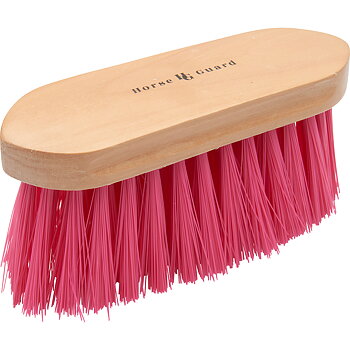
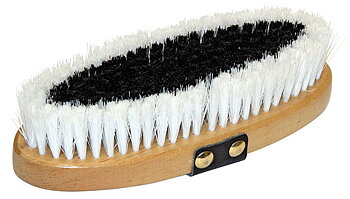
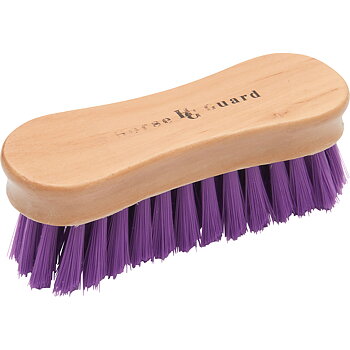
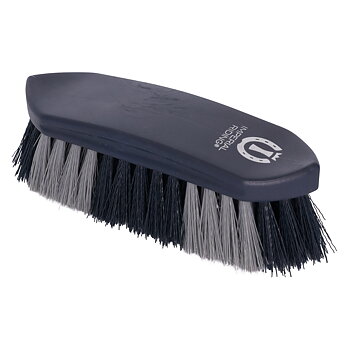
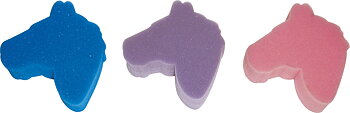
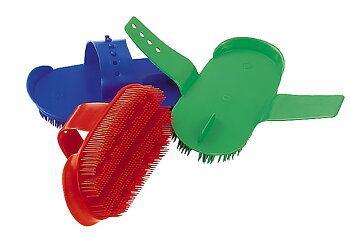
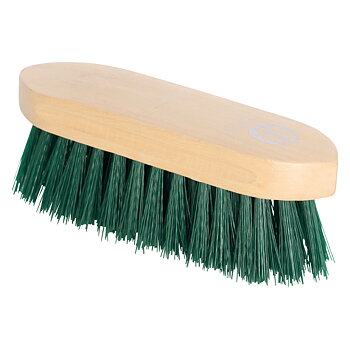
A complete grooming kit typically includes a dandy brush with stiff bristles for removing dried mud and loose hair, a body brush with softer bristles for finishing and face work, and a rubber curry comb to loosen dirt and massage the skin. A metal or plastic curry comb is used to clean the body brush. You will also need a mane and tail brush or comb, a hoof pick, and one or two sponges for cleaning the eyes, nostrils and dock area. Additional items such as a sweat scraper and a soft face brush are also very useful.
Why is hoof care so important?
The hooves are the foundation of a horse's soundness, and neglecting them can quickly lead to serious problems. Daily hoof picking removes stones, dirt and debris that can cause bruising or abscesses, and allows you to detect early signs of thrush or other infections. The hoof wall and sole need to maintain the correct moisture level to stay strong and flexible, which is why hoof oil is often applied to very dry or brittle hooves. Regular farriery visits every six to eight weeks are essential for trimming and, where necessary, shoeing.
When should you clip a horse?
Clipping is generally done in autumn and winter, when the horse has grown its thick winter coat. Horses in regular work can sweat heavily under a long coat, making it difficult to cool them down and increasing the risk of chills. There are several clipping styles ranging from a simple trace clip to a full body clip, and the right choice depends on the horse's workload, housing and individual needs. After clipping, horses usually need a rug to compensate for the reduced insulation provided by their natural coat.
How do you care for a horse's mane and tail?
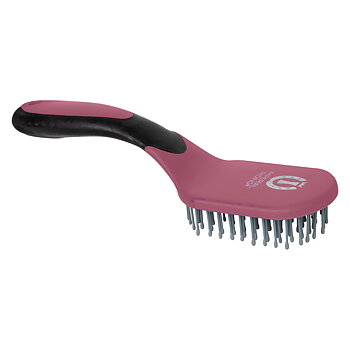
Mane and tail care involves regular brushing or combing to prevent tangles and matting, using a detangler spray to make the process easier and less damaging to the hair. Always work from the bottom upwards, gently separating knots rather than pulling through them. Washing with a suitable shampoo and applying a conditioner keeps the hair clean, soft and manageable. Protecting the tail with a tail bandage or tail guard during travel or turnout can prevent rubbing and breakage.