 Large selection

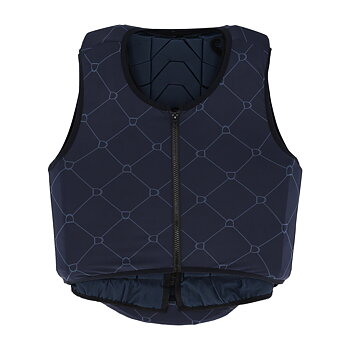

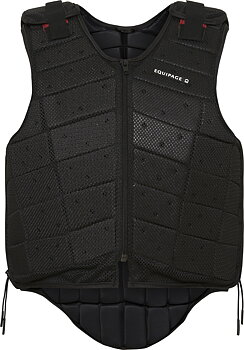
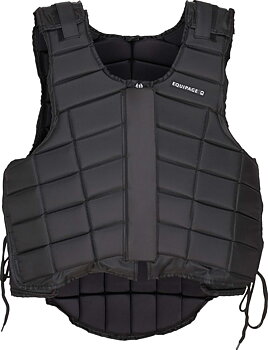
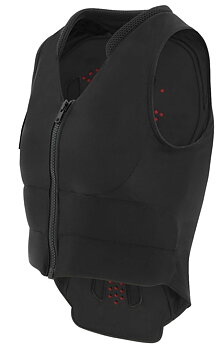
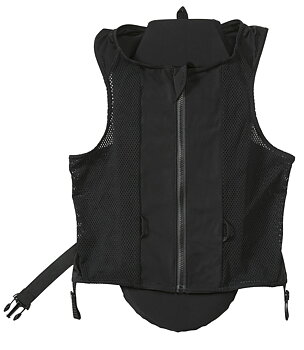
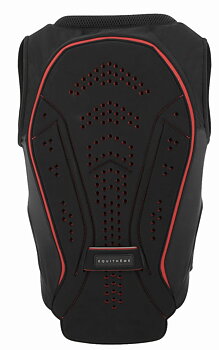
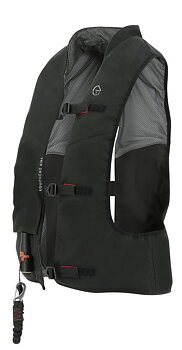
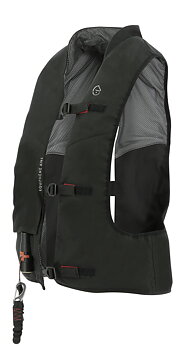
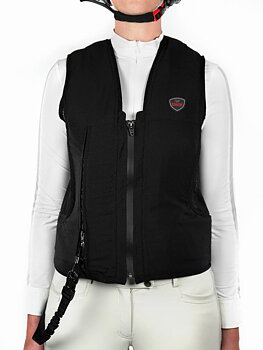
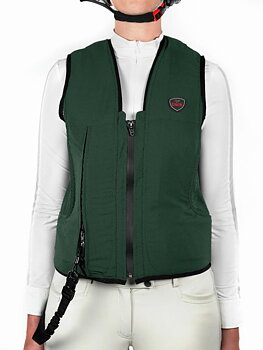
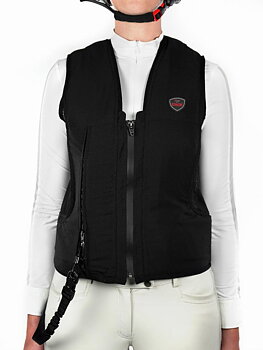
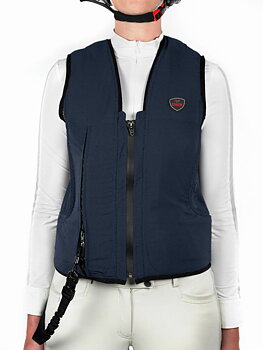
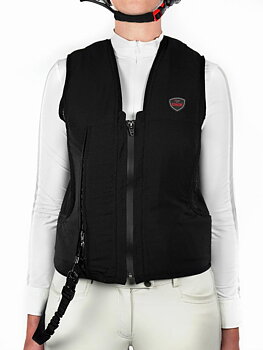
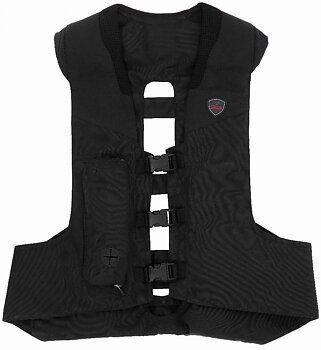
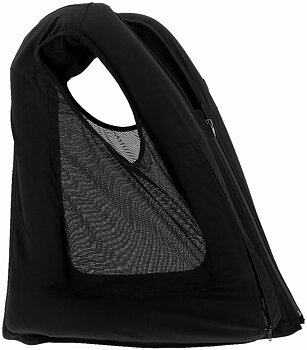
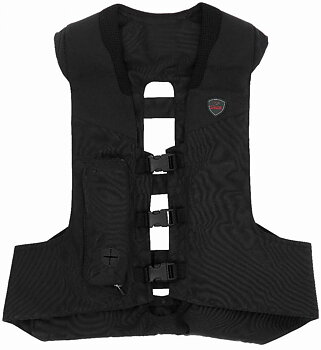
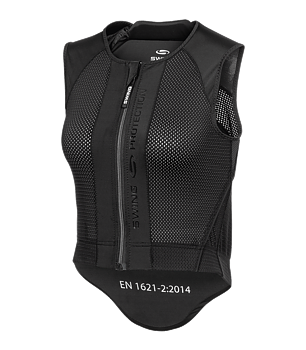
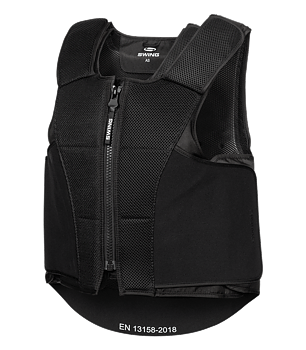
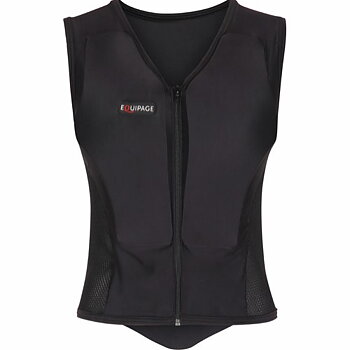
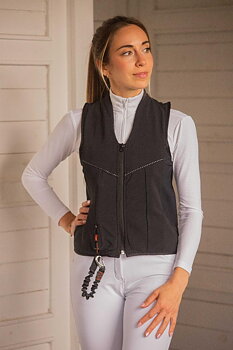
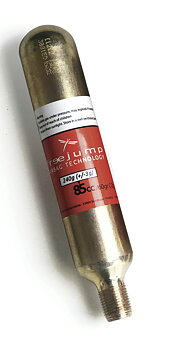
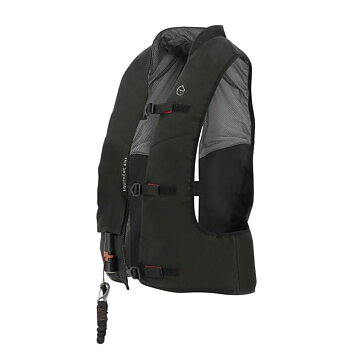
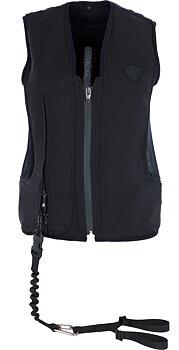
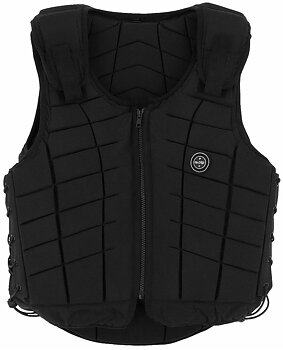
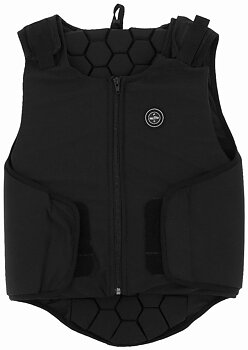
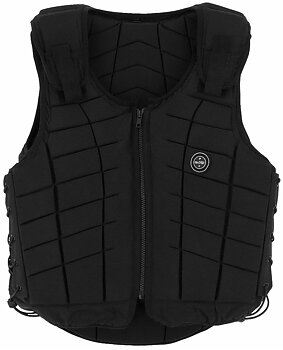
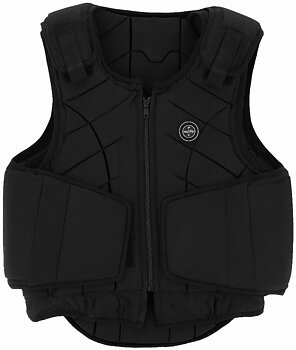
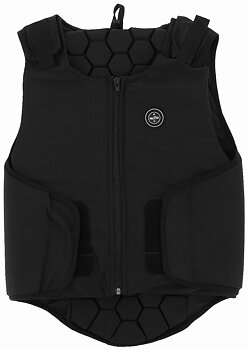

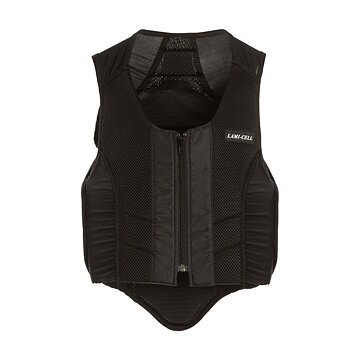
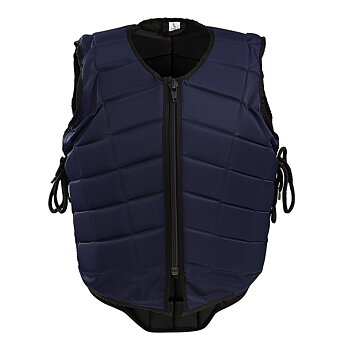
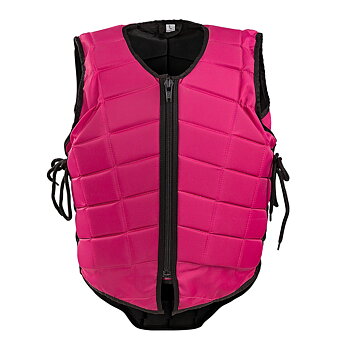
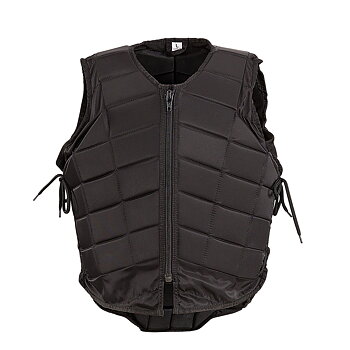
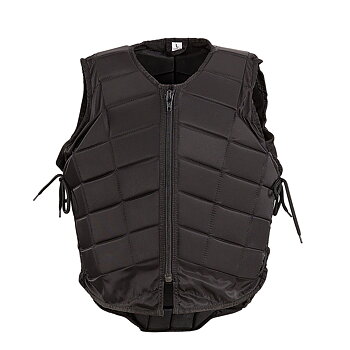
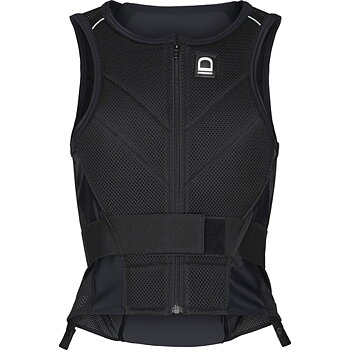
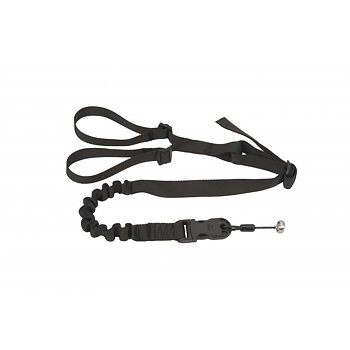
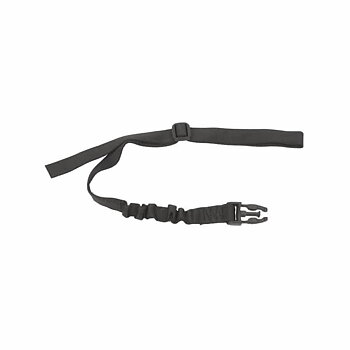
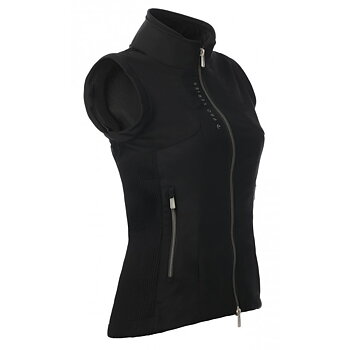
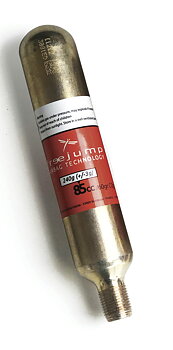
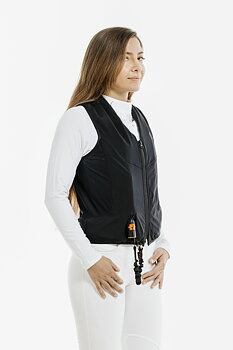
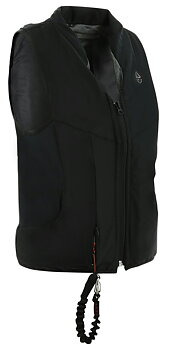
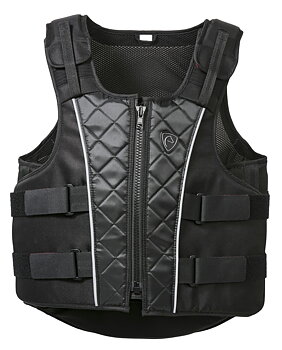
Body protectors
A body protector is one of the most important pieces of safety equipment a rider can wear. It is designed to absorb and distribute impact forces during a fall, significantly reducing the risk of serious injuries to the ribs, spine and internal organs. Modern equestrian body protectors are made from foam-based protective materials and meet international safety standards, making them compulsory in many competitive disciplines such as eventing and endurance riding. The vest should fit snugly against the body and must always be individually adjusted to provide proper protection.
Body protectors are available in models for children, women and men, and in different protection levels depending on discipline and intended use. For active riding and competition, a high-protection vest meeting current BETA or ASTM standards is strongly recommended. It is essential that the vest fits correctly — it should cover the entire torso from the lower back to the collarbone and allow full freedom of movement without riding up during activity. Choose a model that is breathable and ergonomically designed for comfort during extended rides.
Regularly inspect your body protector for damage or deformation in the foam material, which can reduce its protective capacity. Protectors should be replaced after a severe fall or every five to seven years regardless of visible condition. A body protector is personal protective equipment and should not be borrowed or purchased second-hand without verifying its protective status. Always combine with an approved riding helmet for maximum protection when riding.
Frequently asked questions about body protectors
Do I have to wear a body protector when riding?
It depends on your discipline and competition rules. In disciplines such as eventing and endurance, a body protector is compulsory at competition and often during training. For everyday riding and arena work it is optional, but strongly recommended — especially for children and young riders and when jumping or riding cross-country. A body protector provides an important layer of protection that complements the riding helmet and reduces the risk of serious injury in a fall.
Which protection level should I choose?
The protection level is guided by the type of riding you do. Level 3 (BETA) is the highest standard and is recommended for eventing, cross-country and jumping. Level 2 is suitable for show jumping and active training on a jumping course, while Level 1 is appropriate for dressage and quiet arena work. Always check the competition rules for your discipline to ensure your vest meets the required standard.
How do I know if my body protector fits correctly?
A correctly fitting body protector should cover the lower back, the entire spine and the rib area without riding up when you are seated in the saddle. It should fit close to the body while still allowing free breathing and full freedom of movement in the shoulders and arms. Always try the vest in a riding position to check that it does not push up against the neck or pull down when moving. Many retailers offer professional fitting assistance to ensure the correct fit.
How long does a body protector last?
A body protector has a recommended service life of five to seven years with normal use and correct storage, provided it has not been subjected to a severe impact. The protective material degrades over time even without visible damage, meaning that the level of protection gradually decreases. The vest should be replaced immediately if it has been through a severe fall, if the foam material is deformed, or if there are visible cracks or abrasion in the outer material. Always check the manufacturer's recommendations for your specific model.
Can children wear adult body protectors?
No, children should always wear body protectors that are specifically designed and sized for children. A vest designed for adults does not provide the correct protection for a child's body and may restrict movement in a way that affects the rider's safety. Children's models are constructed with the child's body proportions in mind and provide appropriate coverage of the torso and back. Always choose the correct size and verify that the vest meets current safety standards.