 Large selection

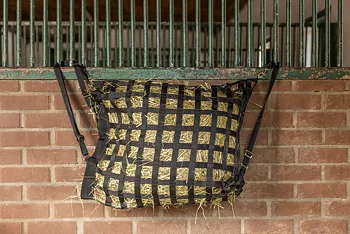
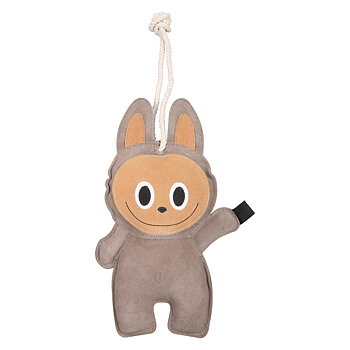
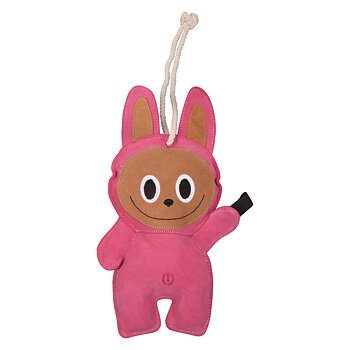
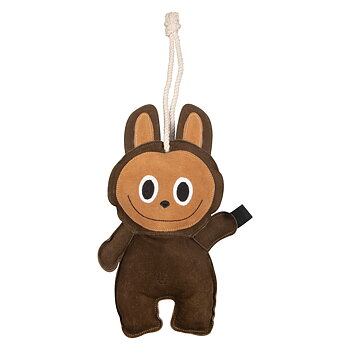
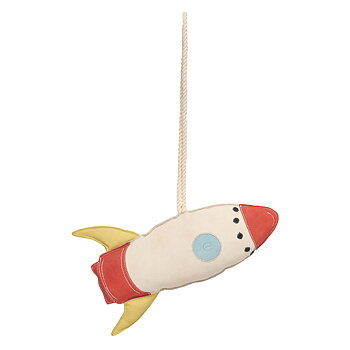
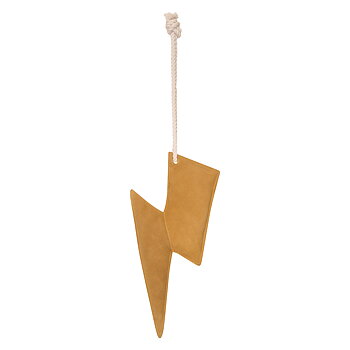
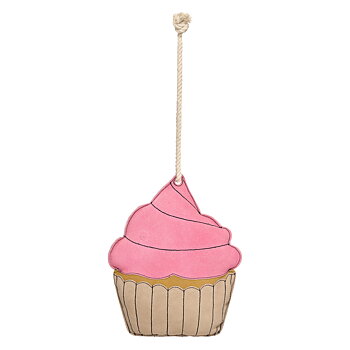
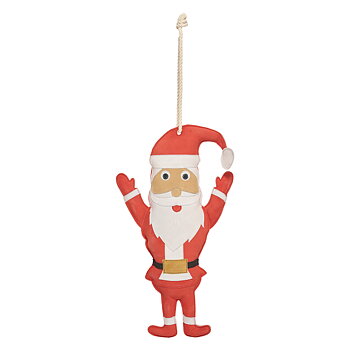
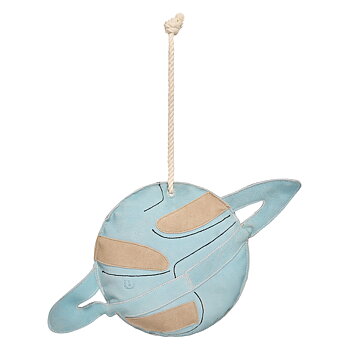
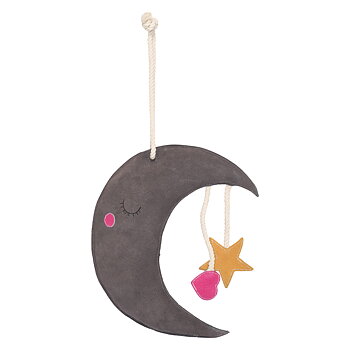
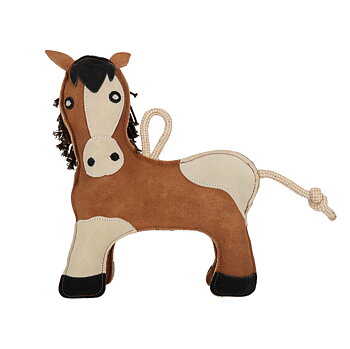
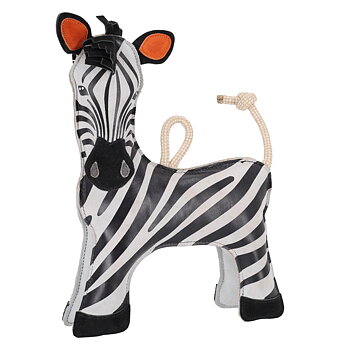
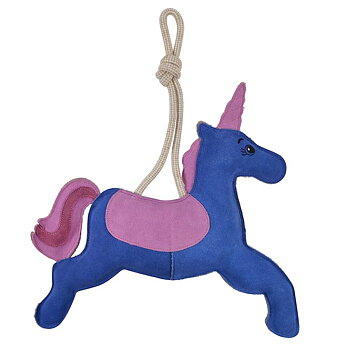
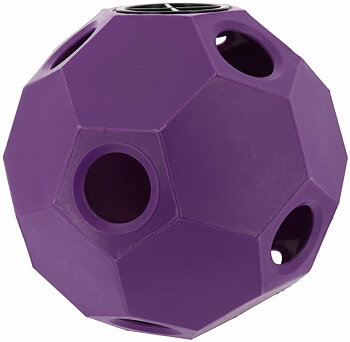
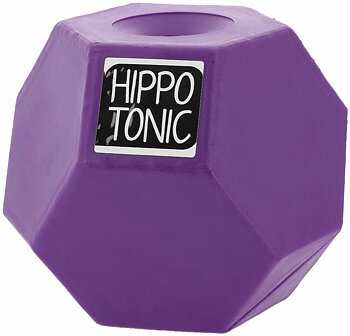
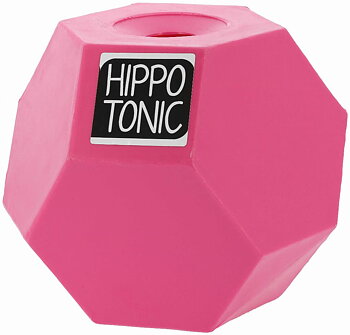
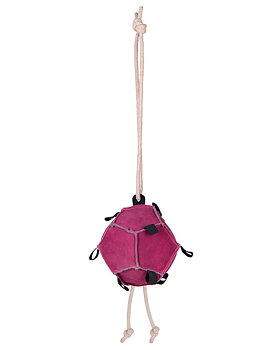
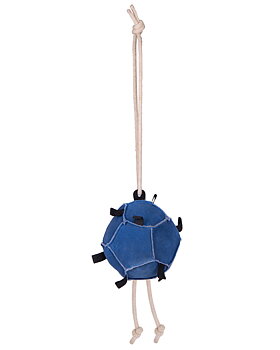
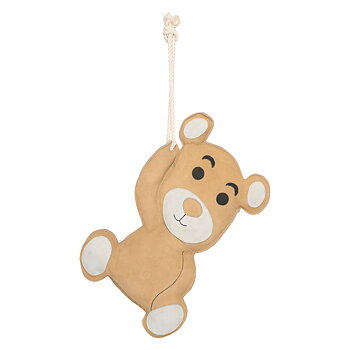
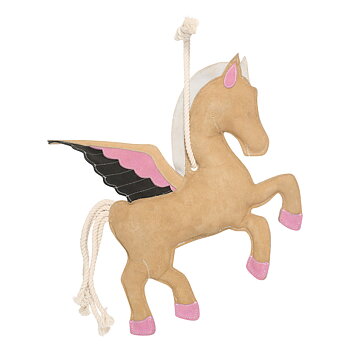
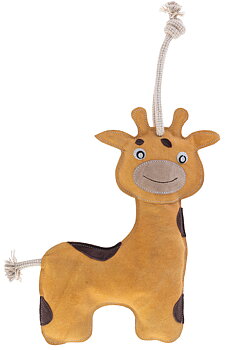
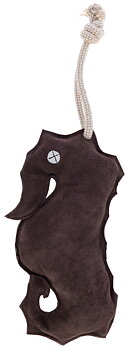
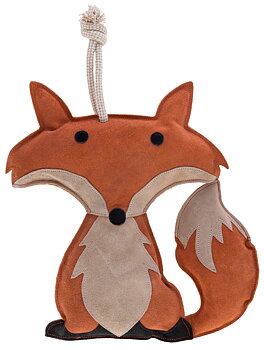
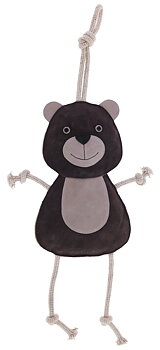
Stable enrichment and activation for horses
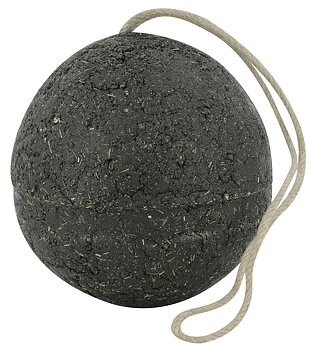
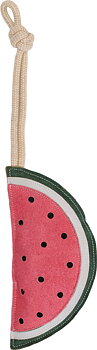
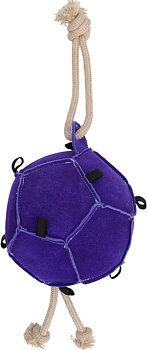
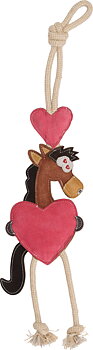
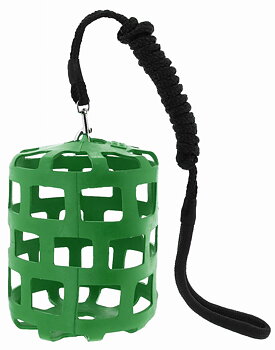
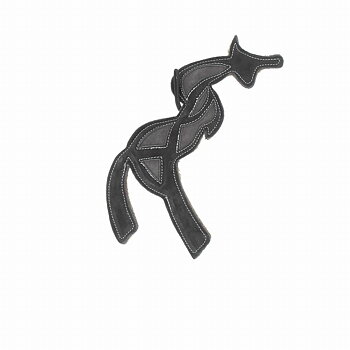
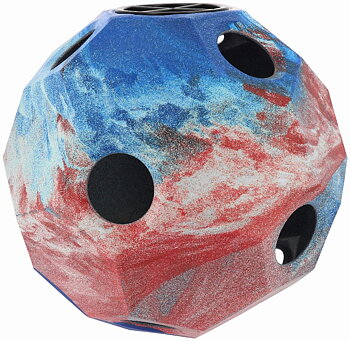
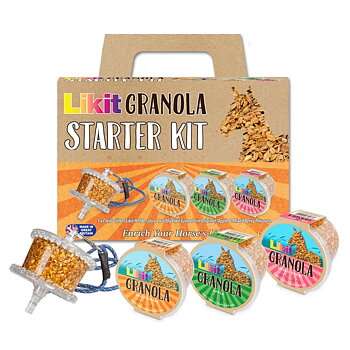
Mental and physical stimulation are just as important for the horse's health as proper nutrition and regular exercise. Horses that spend long periods in a stable box without adequate enrichment risk developing stereotypies and stress behaviours that negatively affect their wellbeing and performance. Our range of enrichment products for stabled horses includes slow feeders in various formats to extend eating time, toys and balls that stimulate the horse's natural curiosity, salt licks and mineral supplements that provide oral stimulation, and interactive feed toys that challenge the horse's problem-solving ability.
A slow feeder is one of the most effective tools for stabled horses — it mimics natural grazing and keeps the horse occupied for more hours of the day. Hay nets with small mesh size, balls with feed holes and feeding grilles can extend eating time by up to three to four times compared to open hay access. Salt licks with minerals and trace elements fulfil the horse's natural need to lick and explore. Balls and interactive toys provide movement activity and mental stimulation during the hours the horse would otherwise spend passively in the box.
Enrichment should always be combined with regular turnout, social contact with other horses and daily training for the best results. Choose enrichment products based on your horse's size, temperament and specific needs — a calm older horse needs different stimulation from a young and energetic one. Explore our range and find the right combination of enrichment products to give your stabled horse a rich and fulfilling life in the stable.
Frequently asked questions about enrichment for stabled horses
Why is enrichment important for stabled horses?
Horses are social herd animals that in nature move and graze for up to 16 hours a day. Stable and box life limits this natural movement and can lead to stereotypies such as crib-biting, weaving and box walking if the horse is not given sufficient mental and physical stimulation. Enrichment products mimic natural behaviours and give the horse occupation during the hours it spends in the box. Regular enrichment reduces stress and improves the overall wellbeing of stabled horses.
What is a slow feeder and how does it work?
A slow feeder is a feeding device designed to slow the horse's eating and mimic natural grazing by forcing the horse to take in feed in smaller amounts at a time. They can be nets with small mesh size, round balls with holes, or boxes with grilles — all designed to extend eating time and reduce the risk of gastric ulcers and colic. A slow feeder that would normally be eaten in one hour can extend eating time to three to four hours. Choose a slow feeder suited to your horse's size and temperament for the best results.
Which enrichment options suit horses with crib-biting behaviour?
Horses that crib-bite need alternative occupations that reduce the repetitive behaviour without stressing the animal. Salt licks and mineral blocks provide oral stimulation in a constructive way and can reduce the urge to crib. Frequent hay feeding using slow feeders keeps the mouth active with feed instead. Increased contact with other horses, more turnout time and varied training are the most effective long-term measures against stereotypies.
Can toys and ball games help stabled horses?
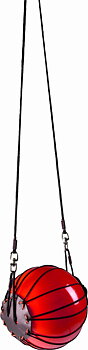
Yes, horse toys that move, roll or conceal treats stimulate the horse's curiosity and natural problem-solving behaviour. Balls suspended in the box can be nudged and played with, providing physical and mental stimulation during periods of inactivity. Feed toys that require the horse to manipulate them to release treats are particularly popular and effective. Rotate toys regularly to maintain curiosity and prevent the horse from becoming bored.
How much enrichment does a horse need each day?
There is no single answer, but research suggests horses thrive best when they have free access to hay or pasture, social contact with other horses and at least one to two hours of daily exercise. Enrichment devices in the box are a supplement — not a substitute — for exercise and social interaction. Vary the enrichment daily: use slow feeders, rotate toys and combine with turnout for the best effect. Horses with restricted freedom of movement need more active stimulation to compensate for the absence of natural behaviours.