 Large selection

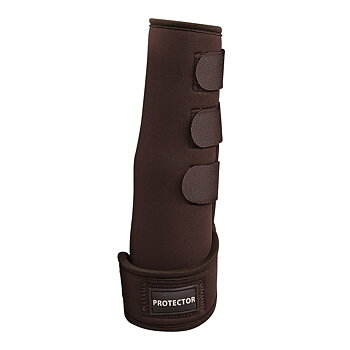
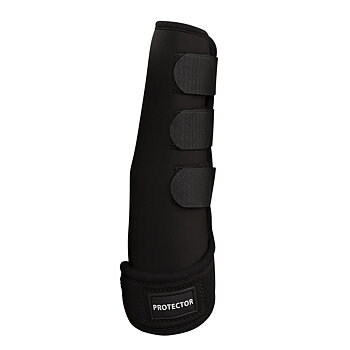
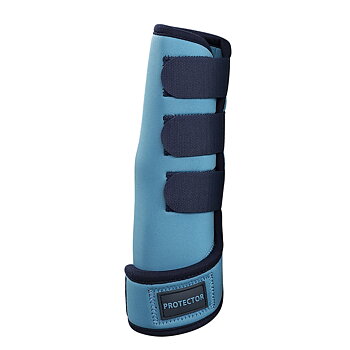
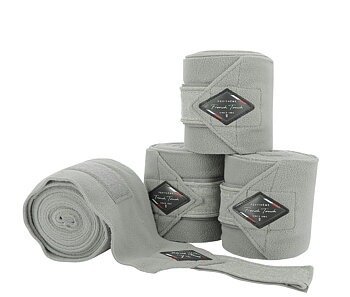

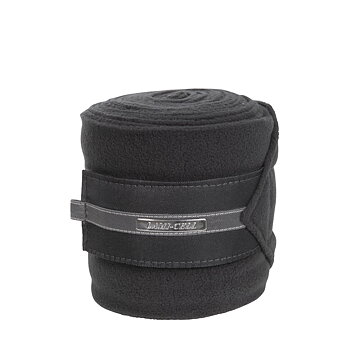
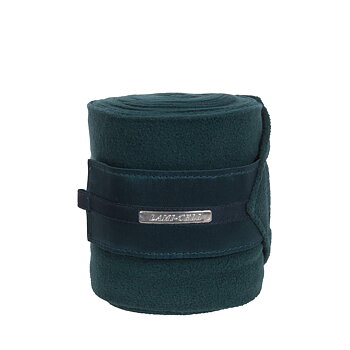
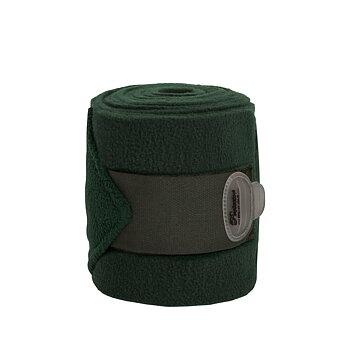
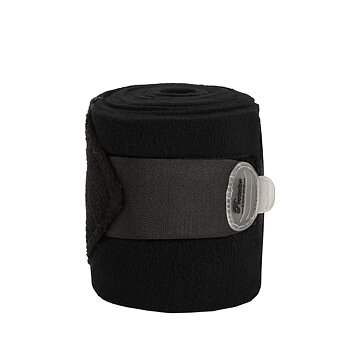
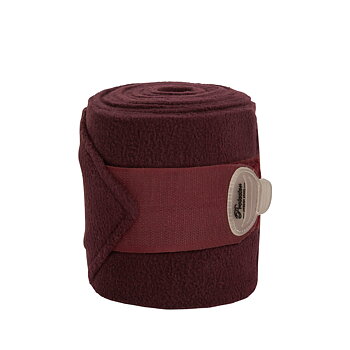
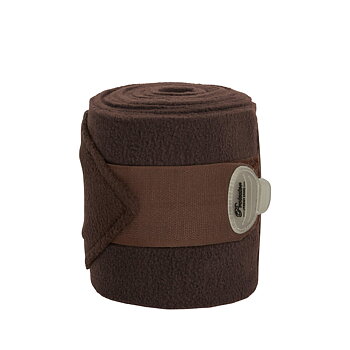
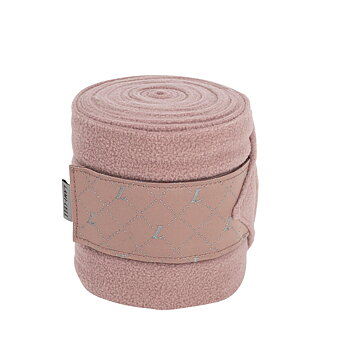
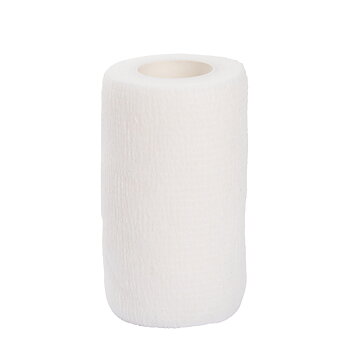
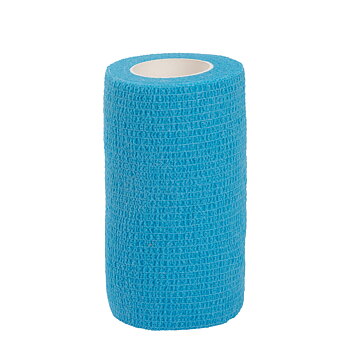
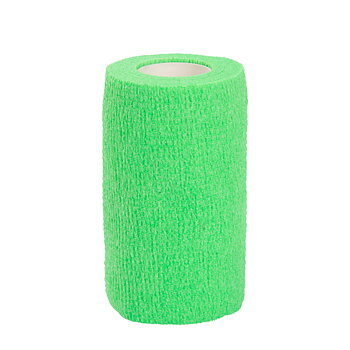
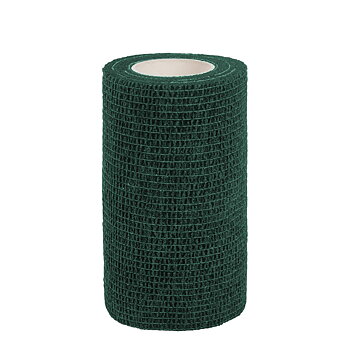
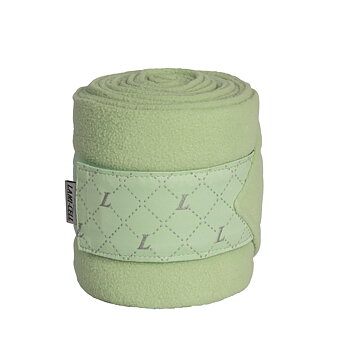
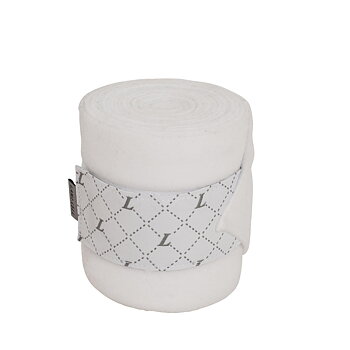
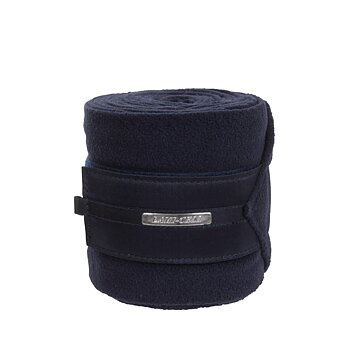
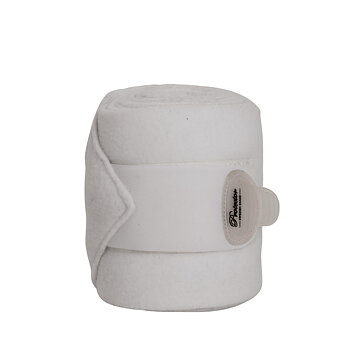
Leg Wraps & Pads for Horses
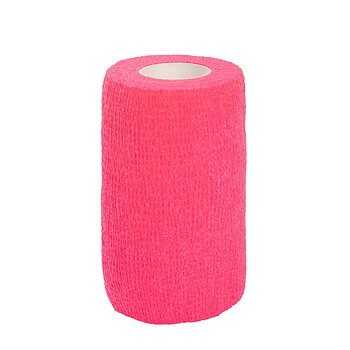
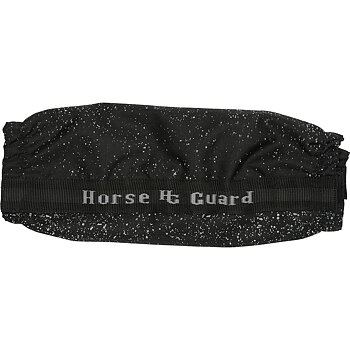
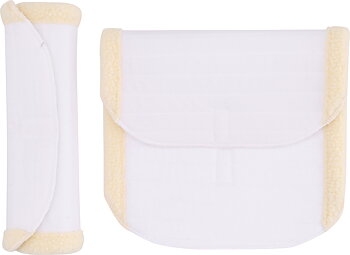
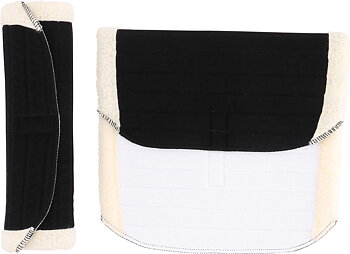
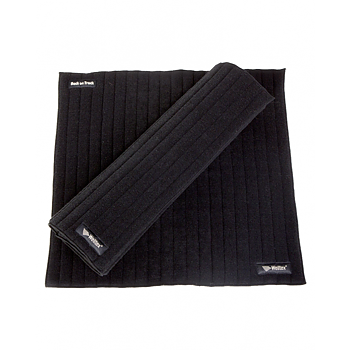
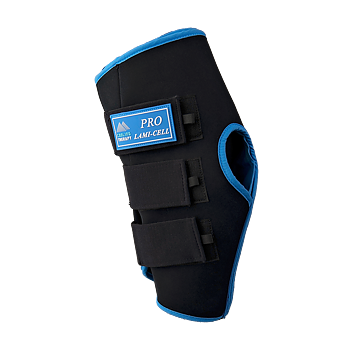
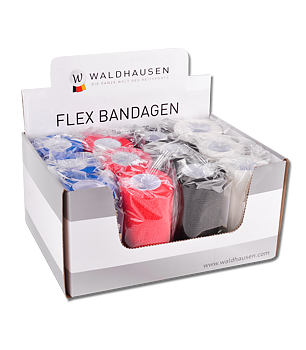
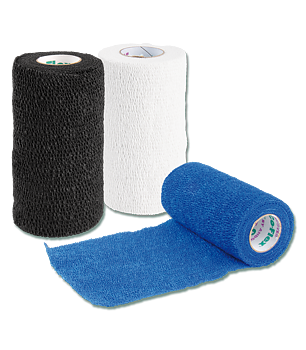
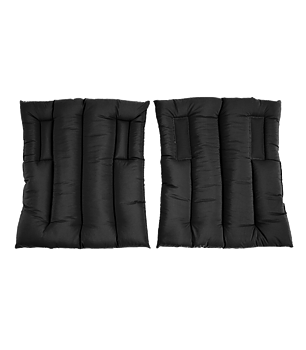
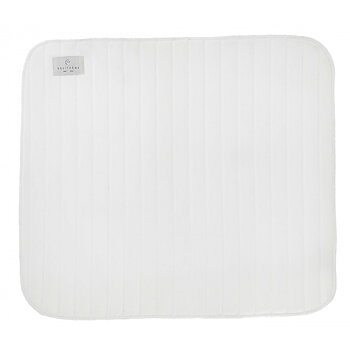
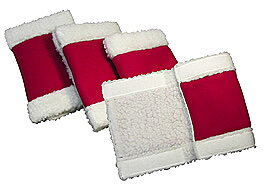
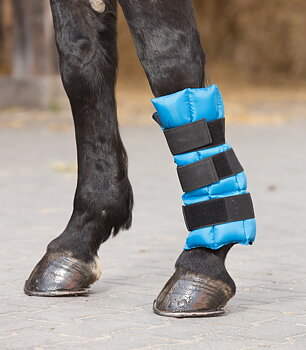
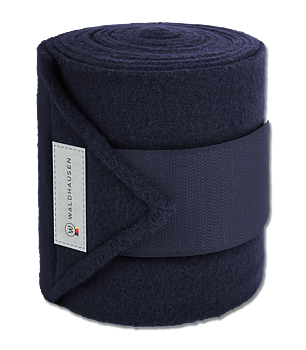
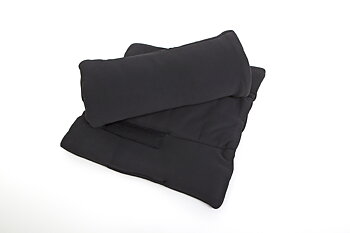
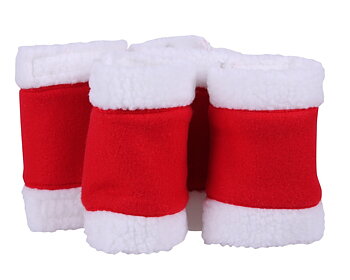
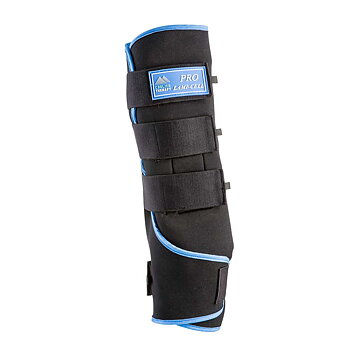
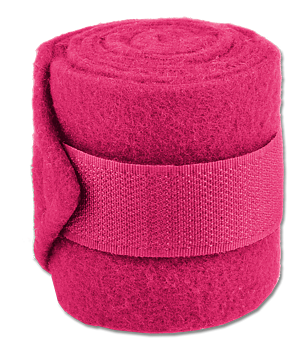
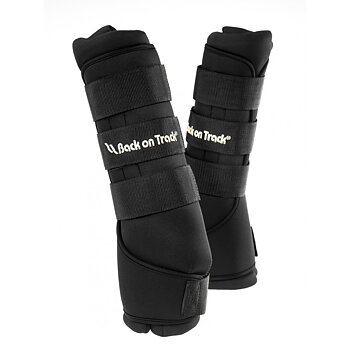
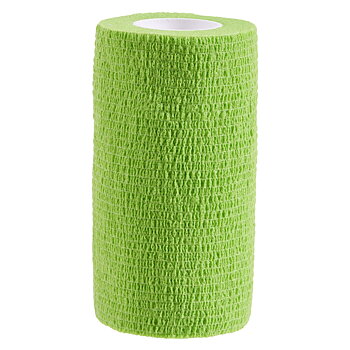
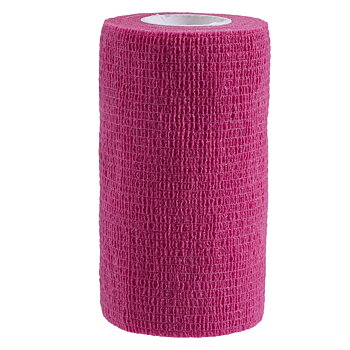
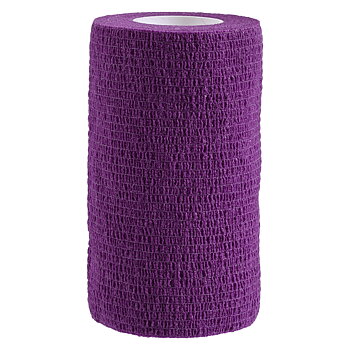
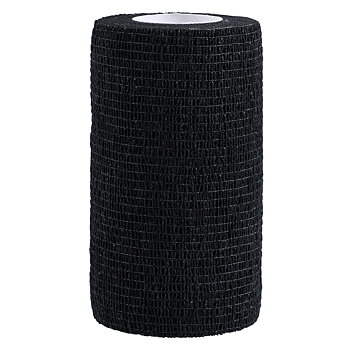
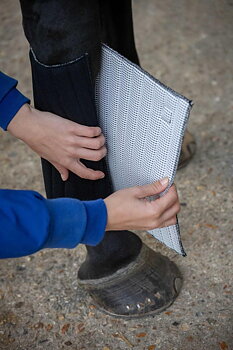
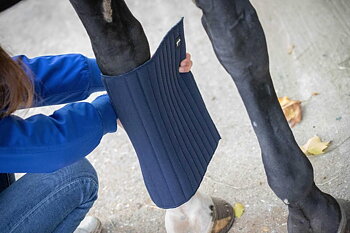
Leg wraps and bandage pads are the classic, adaptable alternative to quick-closure boots and are used daily by riders at every level, from leisure hacking to grand prix competition. A correctly applied bandage provides even, adjustable compression along the entire lower leg and can be moulded to the individual horse's anatomy in a way that most prefabricated boots cannot replicate. Our range includes fleece and polar fleece exercise wraps for training and stable use, stretch wraps for active compression under movement, and cotton bandages for traditional veterinary and stable wrapping techniques. Pads are made from protective foam, bubble wrap or polyester quilting and act as shock absorbers beneath the bandage, distributing pressure evenly and preventing the bandage from creating pressure points directly against the skin.
Correct bandaging technique is a skill that requires practice: always start just below the fetlock, wrap upward with 50 % overlap and even tension, wrap back down and finish with a fold that lies flat with the closure. Incorrect bandaging — too tight, too loose or with ridges in the underlying pad — can cause serious injury including tendon damage, circulation problems and skin abrasions. Stable bandages and pads are used during rest in the stable to reduce post-exercise or post-operative swelling, while exercise bandages are engineered to stay in place under active load. Always choose the right wrap for its intended purpose and replace worn, stretched specimens that no longer deliver adequate compression.
Proper storage and care ensures that wraps retain their elastic properties. Wash cotton bandages at 40 °C, fleece and stretch wraps at 30 °C, and always roll them neatly after washing and drying — never loosely folded — to prevent uneven built-in creases that create pressure spots when applied. Pads can be air-dried and reused but should be discarded once they have lost their cushioning shape. We stock wraps and pads across a wide price range, from cost-effective training sets to professional competition wraps in premium fleece.
See also
Explore more categories in horse leg protection and related equipment.
Frequently asked questions about horse leg wraps and pads
What is the difference between exercise wraps and stable bandages?
Exercise wraps are designed to stay in place during movement and training — they are made from materials with sufficient elasticity to follow the leg's movement without slipping or coming undone. Stable bandages are softer, wider and are used in the stable to provide compression and warmth during rest, for example after exercise or surgery to reduce swelling. Stable bandages are almost always applied over a soft pad to distribute the pressure evenly. Substituting one type for the other can result in inadequate protection or incorrect compression that may harm the horse.
Must you always use a pad beneath leg wraps?
When bandaging for rest or rehabilitation, using a pad is an absolute requirement — without a pad, pressure concentrates on narrow points of skin and can cause pressure sores, circulation problems and in serious cases permanent tissue damage. During training with exercise wraps, a pad may be omitted if the wraps are specifically designed for direct skin contact, but the most common practice is still to use a thinner pad for extra cushioning and to absorb sweat. Always read the product description to see what the manufacturer recommends for each wrap model.
How long can a horse wear leg wraps?
During normal training, the horse is wrapped just before the session and unwrapped immediately afterwards — leaving wraps on for more hours than necessary applies unnecessary sustained pressure. Stable bandages for rehabilitation can be left on for up to 8–12 hours at a stretch, but should be removed, checked and reapplied by an experienced hand at least once per day. Never allowing wraps to stay on too long is critical: accumulated pressure and moisture trapped beneath the bandage can mask developing injuries and create new problems. If in doubt, consult a veterinarian or qualified equine therapist for an appropriate bandaging protocol.
What is the best way to wash leg wraps?
Fleece and polar fleece wraps are best washed at 30 °C with a mild detergent and air-dried — avoid tumble driers, which damage fibres and reduce elasticity. Cotton bandages can tolerate 40 °C but should still not be washed too hot, as cotton will shrink. Always roll the wraps immediately after washing and drying, with even tension, to prevent them from drying with uneven edges that create pressure ridges when applied. Regularly inspect for visible wear, loose edges and weakened elasticity, and replace wraps that no longer provide adequate compression.
How do I know the bandage is applied correctly?
A correctly applied bandage should feel even with no pressure points along the full length of the leg: run a finger along the outside edge of the bandage — you should be able to insert one finger with slight resistance but no more. The bandage edges should run parallel to the leg without ridges, folds or diagonal layers, and the closure should finish on the outer side of the leg, never facing inward or directly behind. Check the horse again after 15–20 minutes of movement — if the bandage has slipped, developed uneven ridges or if the horse shows discomfort, remove it and reapply. Ask an experienced rider or equine therapist to demonstrate the technique the first few times.