 Large selection

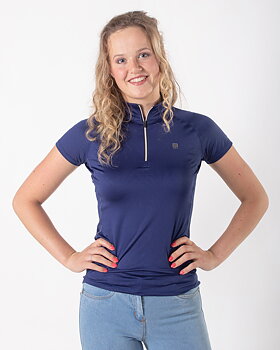
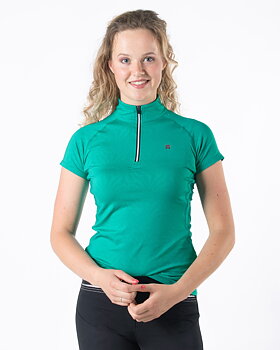
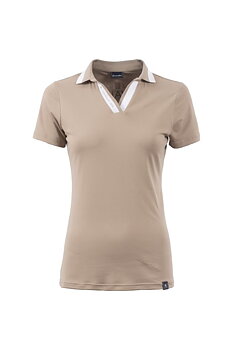
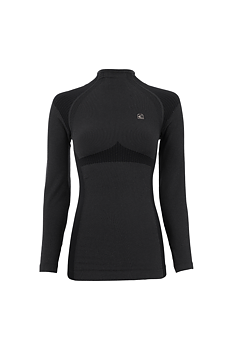
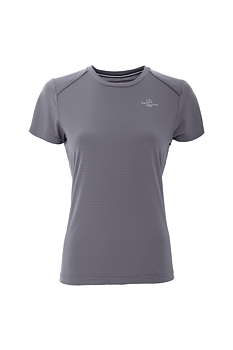
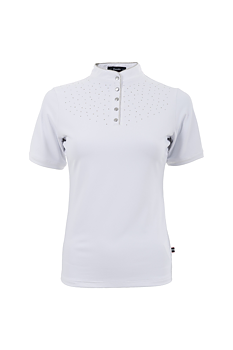
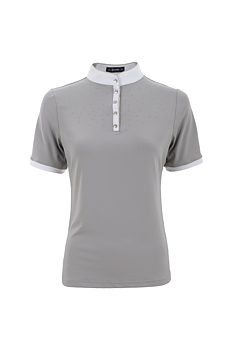
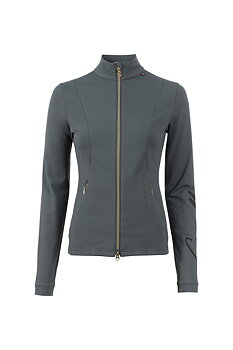
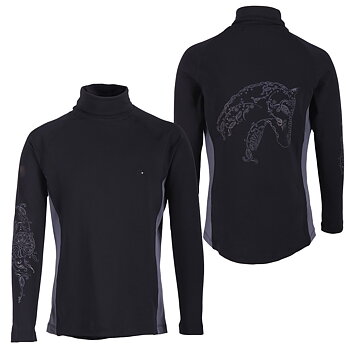
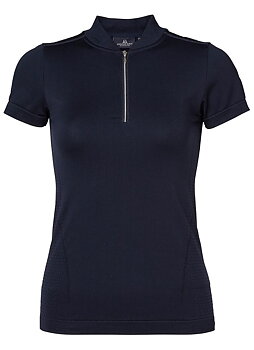
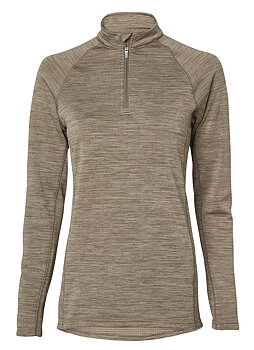
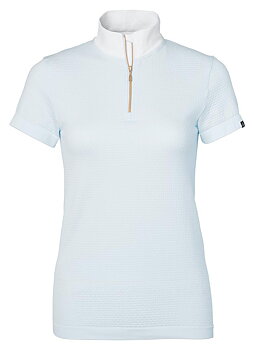
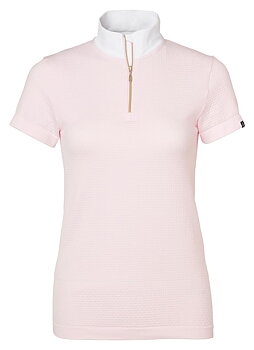
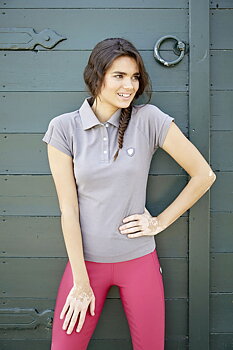
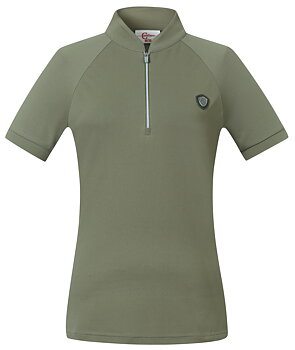
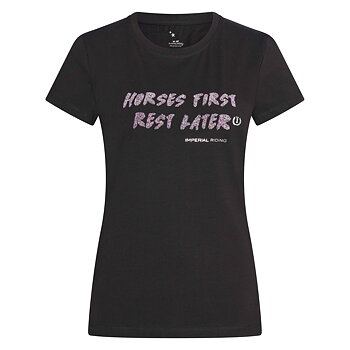
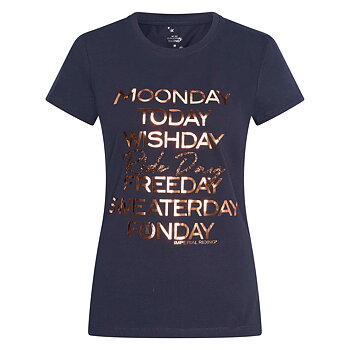
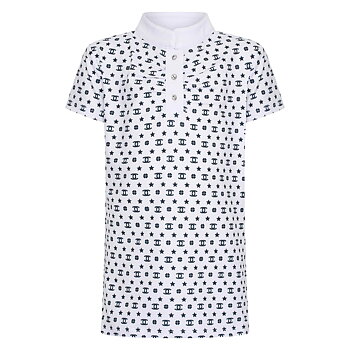
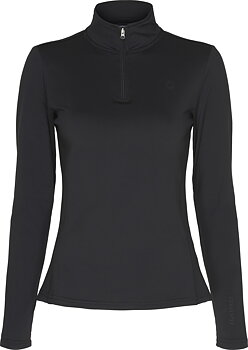

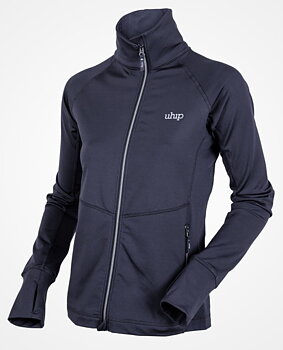
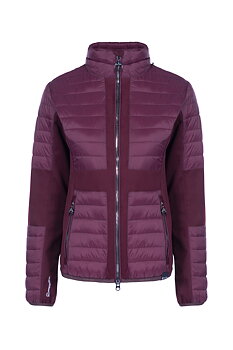
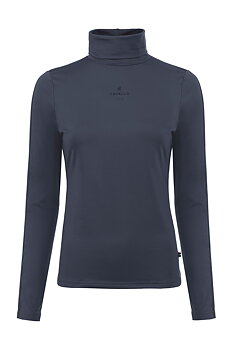
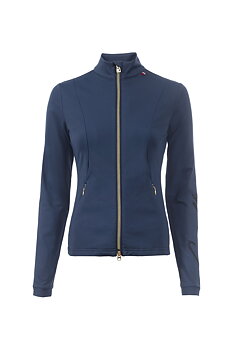
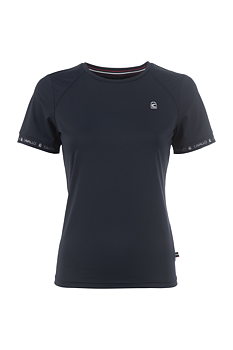
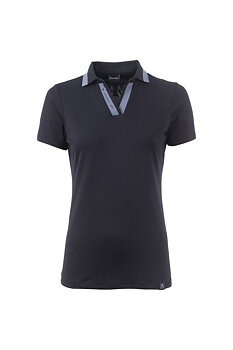
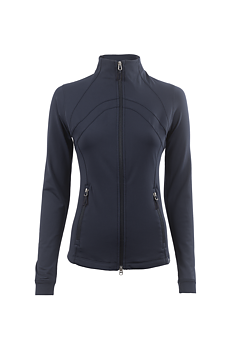
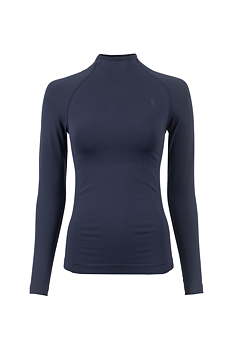
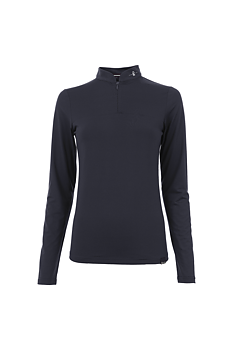
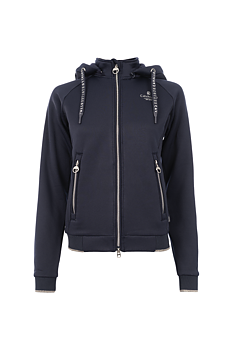
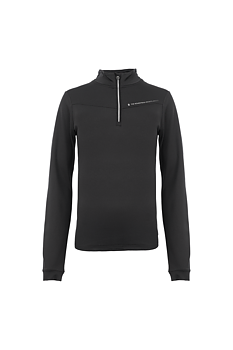
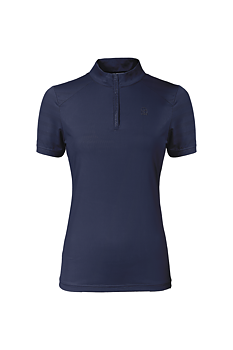
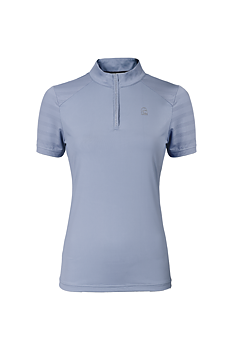
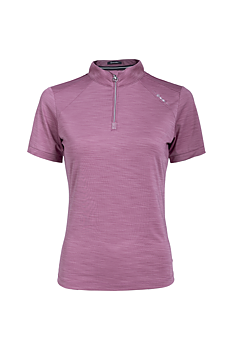
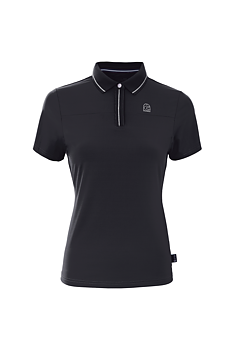
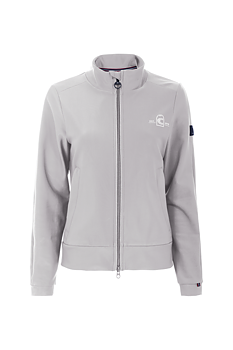
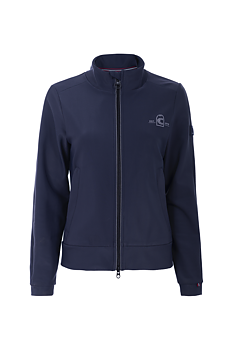
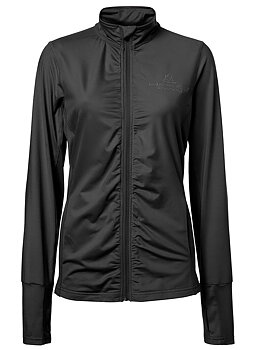
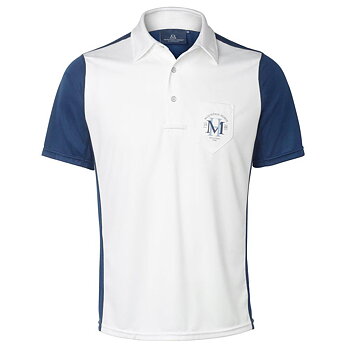
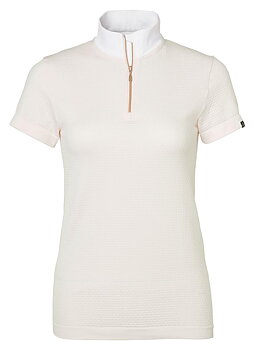
Sweaters & shirts
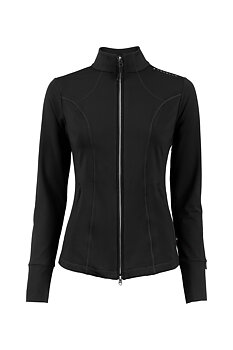
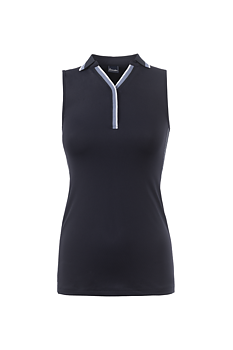
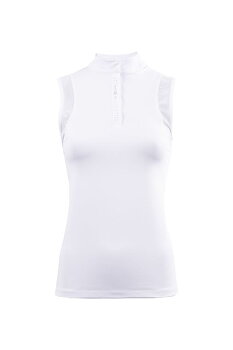
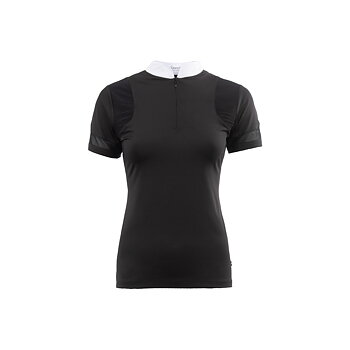
Riding sweaters and shirts combine style and functionality, designed to perform well both in the stable and in the saddle. Modern riding tops are made from technical materials such as moisture-wicking synthetics, stretch polyester and natural fibres like merino wool, offering excellent breathability, freedom of movement and temperature regulation in varying conditions. The fit is shaped for the rider's position — typically with an extended back hem, narrow shoulder construction and a low collar that does not interfere with wearing a helmet.
The range covers everything from lightweight summer shirts with UV protection to warm fleece tops and mid-layers. A riding shirt can be worn as a single garment in warm weather or as a base layer under a riding vest or jacket when temperatures drop. Material choice depends heavily on season and intended use: technical synthetics work well for intense training sessions as they dry quickly and keep you dry, while merino wool is excellent for sensitive skin and fluctuating temperatures. Shirts in natural fibres breathe well and absorb moisture naturally.
Choose your sweater or shirt based on where and how you ride most. For competition in dressage and eventing there are specific dress codes — always check the rules before competing. Consider whether the garment needs to work as a single layer or as part of a layering system, and whether it needs to withstand intensive use in a stable environment. Proper care extends garment life — technical fabrics should be rinsed in cool water and avoid fabric softener, while natural fibres often require gentler handling and hand washing.
Frequently asked questions about sweaters & shirts
What makes a riding shirt different from a regular top?
A riding shirt is specifically shaped for the rider's position in the saddle — with an extended back hem that stays tucked into riding breeches, narrow sleeves that do not catch on equipment and a fabric that handles perspiration during physical exertion. The fit is slimmer and more anatomical compared with an everyday top, and the fabric is often stretchy to accommodate the specific movements involved in riding. Many riding shirts also feature sun protection and quick-drying properties suited to outdoor environments.
Can I use a technical running top for riding?
Technical running tops work to some degree as riding tops but often lack the anatomical fit designed for the rider's seated position. The back hem of a running top is typically shorter and can ride up out of breeches, and the cut is rarely optimised for the forward-tilted posture that riding requires. For casual training rides this can be fine, but for longer sessions and more active riding a dedicated riding shirt provides better comfort and performance.
Which material works best in summer versus winter?
In summer, lightweight moisture-wicking synthetics or thin merino tops are excellent at keeping you cool and dry. Models with UV protection are especially valuable when riding outdoors on sunny days. In winter, warm fleece tops, heavier merino or technical mid-layers used as part of a layering system under a riding jacket are ideal. Choose materials suited to the temperature swings in your environment, and bear in mind that stable environments are often humid which makes quick-drying fabrics advantageous.
How do I wash technical riding tops?
Technical riding tops in synthetic fabrics should be washed in cool water, 30–40 degrees, without fabric softener which clogs the material's pores and reduces moisture transport. Use a mild detergent designed for sportswear. Avoid the tumble dryer and high-heat pressing as heat can damage technical fibres. Merino garments require even gentler care — choose a wool programme or hand wash and allow them to dry flat to retain their shape. Always follow the care label on the garment.
Which shirts are suitable for competition?
Competition dress codes vary considerably by discipline and level. In dressage and eventing there are detailed rules about colour, collar style and presentation. White, cream and light blue collared shirts are common in dressage. For eventing and jumping at lower levels the rules are generally more relaxed but well-presented and appropriate clothing is always expected. Always check the specific competition rules for the discipline and level you are competing at before each event.