 Large selection

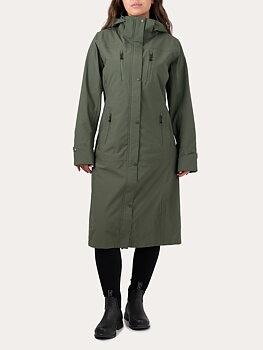
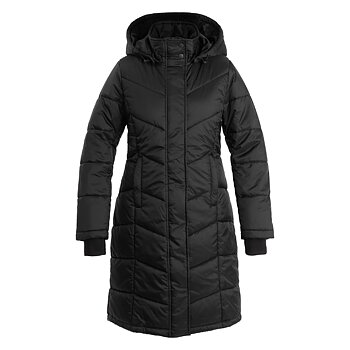
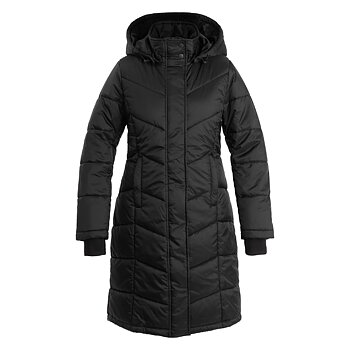

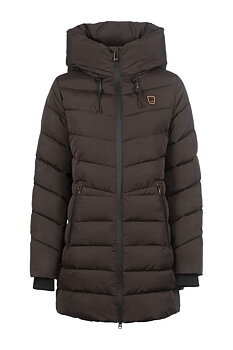







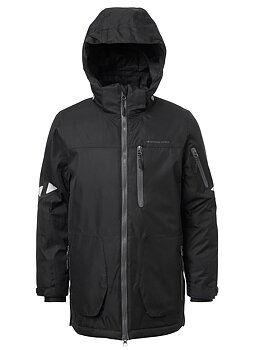
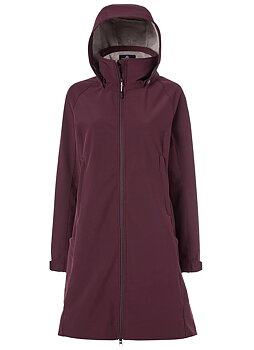
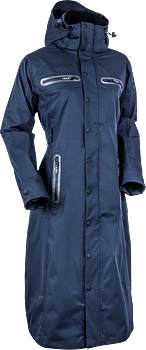
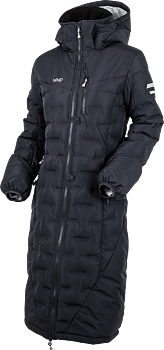
Riding coats
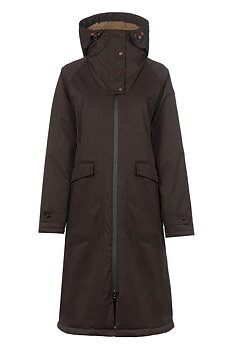
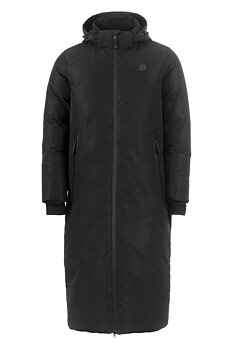
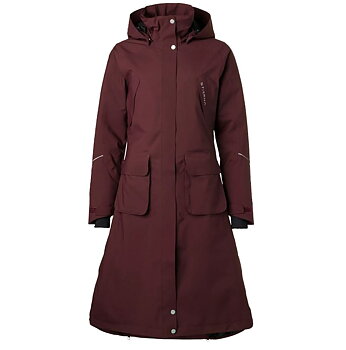
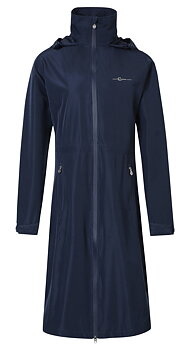
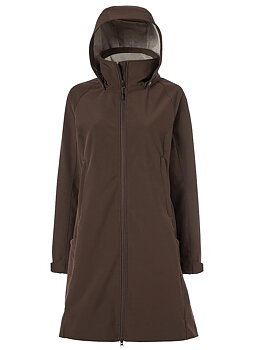
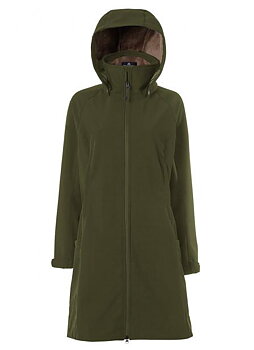
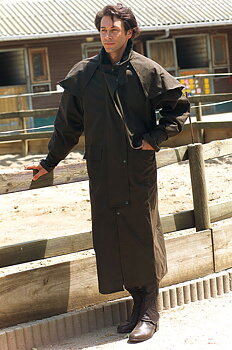
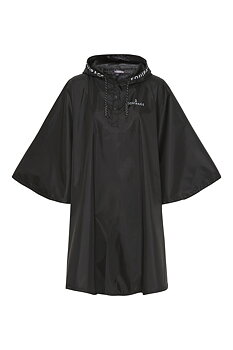
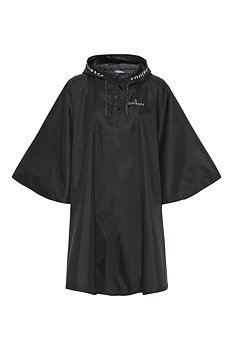
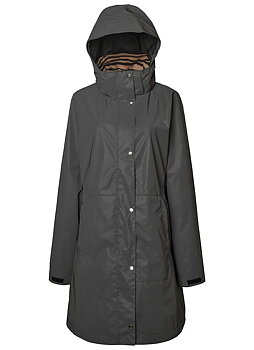
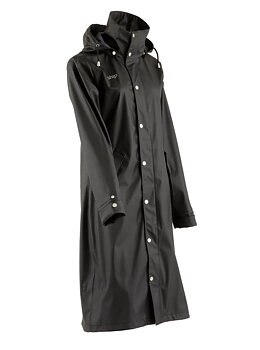
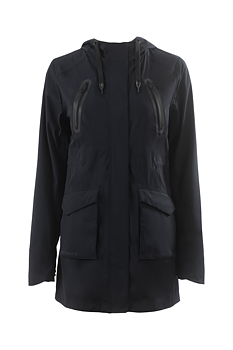
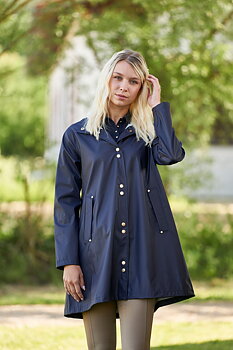
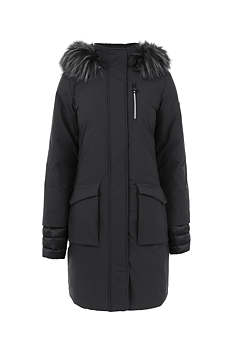
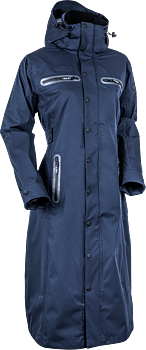
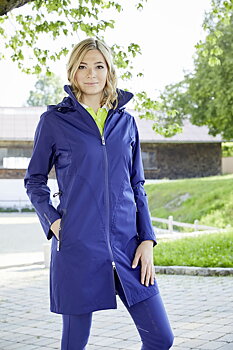
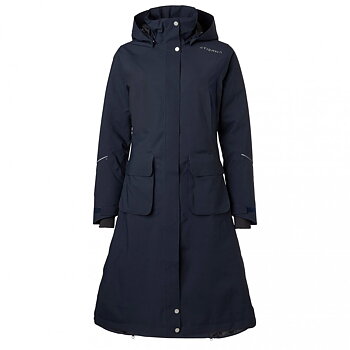
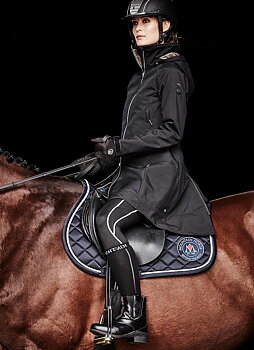
A riding coat is the outermost layer that protects the rider against rain, wind and cold during longer outdoor sessions. It differs from a standard raincoat through its purpose-built construction, featuring a long, wide back section that covers the saddle and the rider's legs, and a shorter front hem that allows freedom of leg movement. Riding coats are an indispensable garment for anyone who rides outdoors in changeable weather and wants to stay dry without limiting the shared movement between horse and rider.
Modern riding coats are made from lightweight waterproof materials with taped seams and ventilating features that keep moisture out without building up heat. Many models have adjustable drawstrings or belts at the waist to adapt in windy conditions, as well as reflective details for visibility in low light. Length varies: shorter coats to mid-thigh offer more freedom for canter work, while longer coats reaching to the horse's hindquarters provide maximum protection when standing still or travelling.
Riding coats suit all forms of riding and all disciplines – from the hacking rider wanting a practical rain garment to the competition rider needing a warm-up layer between classes. Choose a model with side openings or zips to access girths and stirrups more easily, and ensure the coat provides enough freedom across the shoulders for you to handle reins and whip without restriction.
Frequently asked questions about riding coats
What distinguishes a riding coat from a regular raincoat?
A riding coat is specially designed for use in the saddle, with a longer and wider back section that covers the saddle and rider's legs, and a shorter front hem that does not restrict leg movement. It also generally features more room across the shoulder and arm area to allow full freedom of movement with the reins and whip. Standard raincoats lack these adaptations and are intended for standing or walking use, making them unsuitable for active riding.
Can I use a riding coat for all types of riding?
Yes, riding coats are designed for versatility, but length and model determine the most suitable use. Shorter coats to mid-thigh are more mobile and suit canter work and jumping, while longer models offer better protection at walk and trot, as well as for stable work and transport. Competition riders often prefer a short, streamlined model for warm-up, while hacking riders tend to favour longer, more weather-protective versions.
How do I choose the right size for a riding coat?
Choose a riding coat with enough room to be worn over riding clothes and possibly a mid-layer without becoming tight across the shoulders and arms. Check that the arm panel allows full forward and upward mobility, and that the coat does not pull across the back when you lean forward in saddle position. Try sitting down and mimicking the saddle position to check fit and whether the coat correctly covers the top of the thighs.
How do I maintain and wash a riding coat?
Always follow the care instructions on the label carefully. Most riding coats are machine washable at low temperature with a specialist cleaner for technical waterproof textiles. Avoid fabric softener, which degrades the DWR waterproofing layer. Hang the coat to air dry or tumble dry on a low heat setting to reactivate the DWR treatment. Regularly inspect taped seams and store the coat dry and protected when not in use.
Do I need a riding coat if I already have a riding jacket?
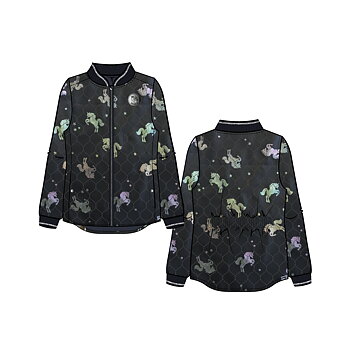
A riding jacket and a riding coat serve partly different purposes. A jacket is a more versatile garment for everyday riding in cool and fresh conditions, but offers less protection in heavy rain, particularly for the legs in the saddle. A riding coat protects the entire upper body and legs against rain and is the best choice in a downpour. The combination of a warm riding jacket worn beneath a riding coat is the optimal solution in genuinely bad weather.