 Large selection



.jpg?max-width=350&max-height=350&quality=85)
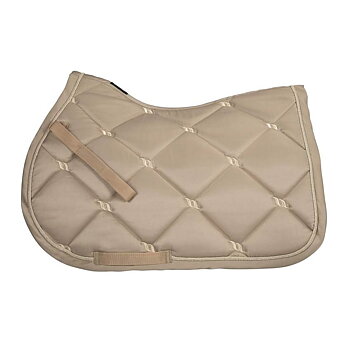
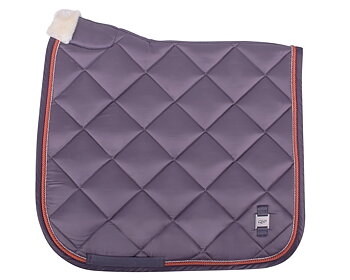
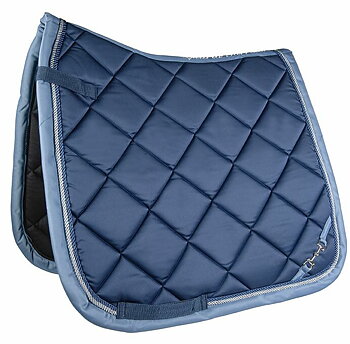
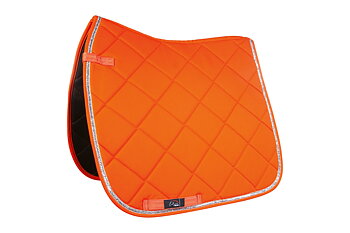
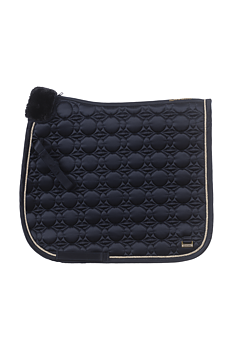
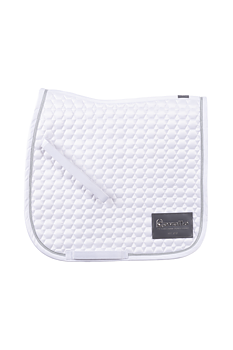
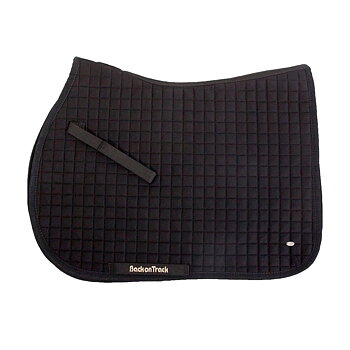
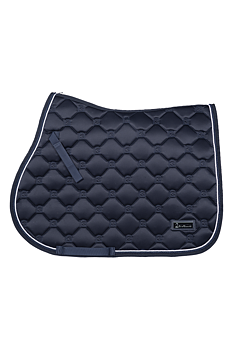
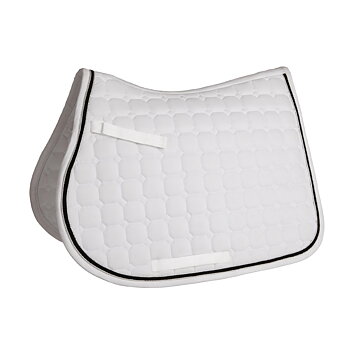
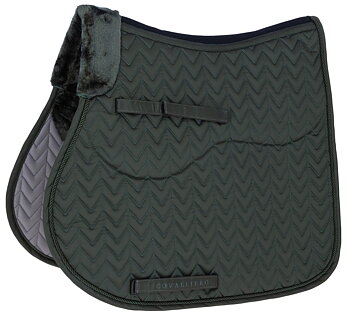

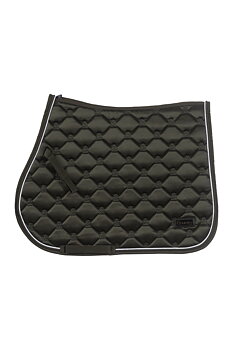
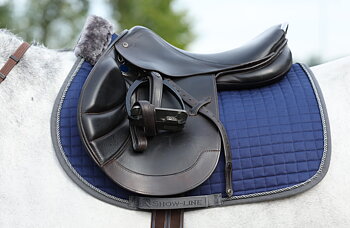
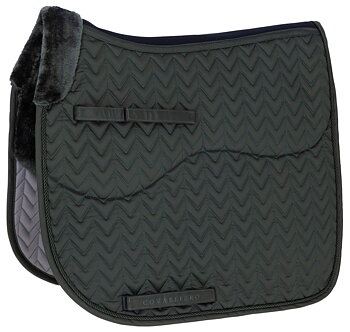
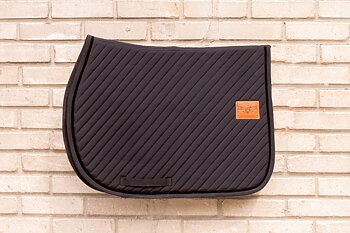

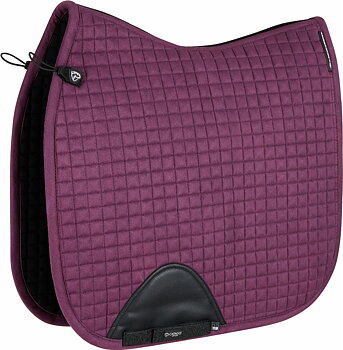
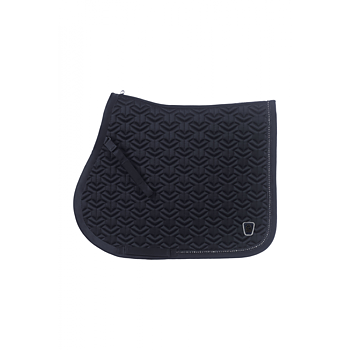
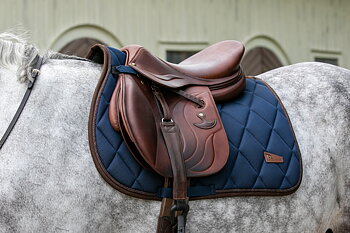
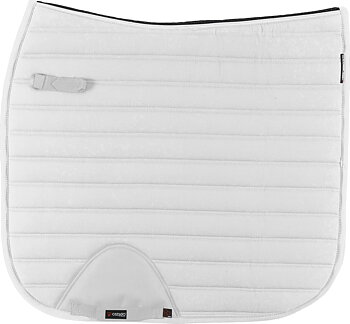
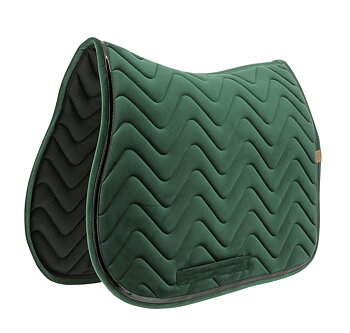
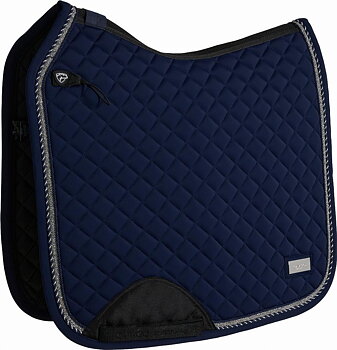
Saddle Pads & Numnahs
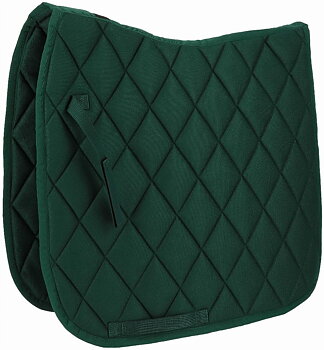
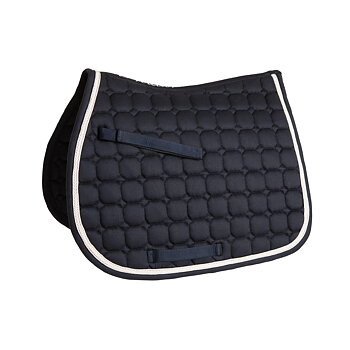
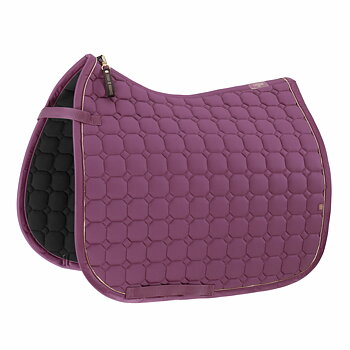
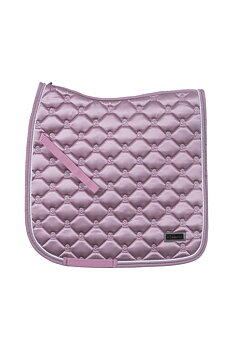
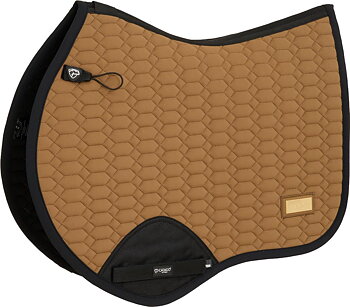
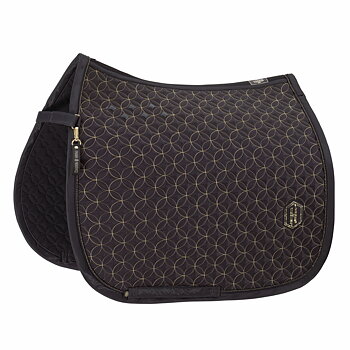
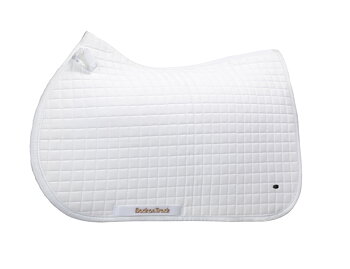
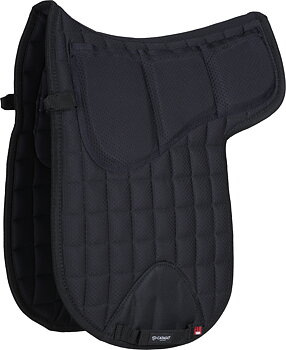
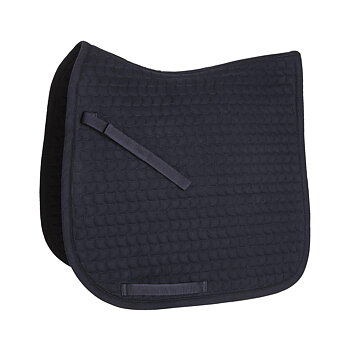
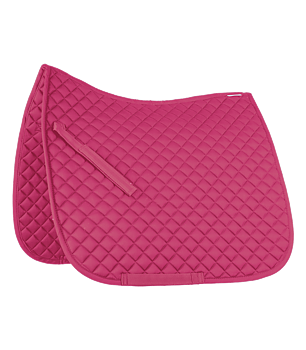
A well-fitted saddle pad is one of the most essential pieces of equestrian equipment you can invest in. Placed between the saddle and the horse's back, a saddle pad serves the vital functions of absorbing sweat, protecting the skin, and distributing pressure evenly across the back muscles. Shaped pads — cut to follow the outline of jumping or dressage saddles — keep the pad firmly in position during movement, while square pads offer broader coverage and are commonly used with western saddles and during schooling work with young horses. The choice of material matters greatly: cotton pads allow excellent air circulation and are simple to launder, whereas quick-drying synthetic fabrics handle heavy workloads with multiple horses throughout the day.
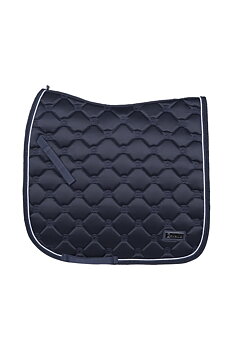
Numnahs are kidney-shaped pads cut to closely follow the saddle's outline, providing a sleek, close-contact fit that is particularly popular in show jumping and eventing. Felt pads — the traditional counterpart of the numnah — are crafted from compressed wool fibres that offer outstanding pressure-relief properties and natural moisture management. For horses with sensitive or asymmetric backs, memory foam inserts and gel panels within modern saddle pads can make a significant difference to comfort and willingness to work. Dressage-specific pads are longer at the side panels and feature a deep, open gullet channel to maintain continuous clearance along the horse's spine, complementing the long-flapped dressage saddle's profile.
Correct fit and regular care are as important as choosing the right material. A pad that bunches at the withers, presses against the shoulder, or slips backward during canter work can create pressure points that cause back soreness — regardless of how high its material quality is. When fitting a saddle pad, always draw the front fold upward into the saddle gullet so the fabric sits clear of the spine. Most cotton and synthetic pads can be machine-washed at 30–40 degrees with a mild, fragrance-free detergent; wool numnahs and felt pads should be washed on a gentle wool cycle or by hand and laid flat to dry to preserve the fibre structure. Brushing hair and debris from the pad after every ride significantly extends its lifespan and reduces the risk of skin irritation for your horse.
Frequently asked questions about saddle pads & numnahs
What is the difference between a saddle pad and a numnah?
A saddle pad is typically a square or rectangular piece of fabric placed under the saddle to absorb sweat, protect the back, and even out pressure. A numnah is shaped to follow the outline of a specific saddle — it is cut in a kidney or saddle-shaped profile that fits closely around the tree points. Numnahs are favoured in disciplines where a streamlined appearance is important, such as show jumping and dressage, while square pads are popular for everyday schooling and western riding. Both serve the same fundamental purpose, so the choice largely comes down to saddle type, discipline, and personal preference.
How do I choose the right size saddle pad?
Saddle pads are commonly sized as pony, cob, full, and warmblood (WB), with measurements referring to spine length and overall pad dimensions. Measure from the back of your horse's withers along the spine to the point where the saddle ends and cross-reference with the manufacturer's sizing guide. The front edge of the pad should sit clear of the saddle gullet without tension, and the rear corners should extend a few centimetres beyond the saddle flap on each side. Always check fit with the horse standing squarely and after you have completed a warm-up, as the pad may shift slightly once the horse has relaxed its back.
What materials are best for saddle pads?
Cotton remains the most traditional and widely used material, prized for its breathability, softness against the skin, and ease of washing. Synthetic microfibre and fleece pads dry quickly and are practical for yards where pads are used on multiple horses each day. Natural wool felt offers superior pressure distribution and temperature regulation that synthetic fibres cannot fully replicate, making it ideal for horses in intensive work or rehabilitation. Memory foam and gel-insert pads provide targeted pressure relief for horses with back issues or those returning to work after injury.
How should I wash and care for saddle pads?
Cotton and synthetic saddle pads can generally be machine-washed at 30–40 degrees using a mild, non-biological detergent free from optical brighteners and fabric softeners, which can irritate sensitive skin. Wool numnahs and felt pads should be washed on a delicate wool cycle at 30 degrees or hand-washed to prevent shrinkage and matting of the fibres. Never tumble dry wool pads; reshape them while damp and lay flat to dry away from direct heat sources. Brushing loose hair and dust from the pad before each wash prevents blockages in the machine and keeps the fabric in better condition.
How do I know if a saddle pad fits correctly?
A correctly fitting saddle pad should lie flat against the horse's back without bunching, wrinkling, or pressing against the withers or shoulder blades. After placing the pad and saddle, pull the front fold of the pad up into the saddle gullet to ensure a clear channel runs along the entire length of the spine. Ride at walk, trot, and canter and check after work that the pad has not slipped backward — persistent slipping can indicate the pad is too small or that a surcingle loop is needed to anchor it to the girth. The pad's edge should never dig into the soft tissue behind the shoulder blade during movement.