Large selection Unique brands Nice prices


« Back to Tips & Guides

First time with your puppy
First and foremost - congratulations to you new puppy! It is a wonderful and loving time that awaits, but not to forget, very patiently. In this post, we thought about talking about what can be good to think about when picking up your puppy as well as what things can be good to have at home when the puppy finally arrives!
How does the puppy get potty trained?
Potty training can take time and be extremely patient. Make sure everyone in the family helps and reminds each other that the puppy needs to go out! As a rule of thumb, the puppy should be removed as soon as it has slept, played and eaten. The reason why the puppy needs to pee and poop so often is because its urinary bladder and ability to stay is not developed. Only when the puppy is around 8-9 months can the dog stay and thus become completely clean.
A significant factor, however tedious it may sound: Routines! Get to know your puppy and get to know how the puppy behaves just before it needs to pee - then create routines based on it. Better to go out too much than too little to teach the dog to do away faster. It can be good to always go to the same place every time you are out so the puppy feels safe - this will make it easier for the puppy to dare pee and poop outdoors. When you have come out, sit down and wait until the puppy is peeing or pooping. Praise the puppy but a calm tone when it does away. When the puppy starts to understand what is going on when you are out, you can start putting on a "command". You can then calmly say "pee" or "good pee" when the puppy does away - the puppy will soon understand that that word means it's time to do his or her needs!
So, always keep in mind that:
♥ The puppy needs to go out immediately after play, after bedtime and when eating food.
♥ The puppy needs to poop about 15-20 minutes after eating his food.
And last but not least - be patient and get absolutely NOT angry if the dog is peeing inside, it's not the puppy's fault and if you scare the puppy it will continue to pee inside. Also, don't worry if your training takes time - all dogs are different and some need more time to understand.
Environmental training & Socializing the puppy
It is very important at an early age to train the environment and socialize your puppy. It is usually said that it is when the puppy is between 8-13 weeks that the puppy is most susceptible to new things. It is therefore important to expose it to new situations that may arise in everyday life. If it is so that you pick up your puppy in the summer and know that you will spend a lot of time at, for example, your country - make sure you take the time to go to the nearest town when the puppy is small.
This way you can ensure that your puppy is environmentally trained and get used to the sounds of cars, bikes and children during the period the puppy is most receptive. Even a simple thing like walking with leash on different surfaces can be environmental training enough for the little puppy. It is important to take this in small steps so that the puppy does not get scared - the first time the puppy is among many people, a cup of coffee in the mat or house's lap can be justified and then next time in the "town" dare to go leash.
How does one teach the puppy that "no" means "no"?
When the puppy comes home to you it does not know what "no" means, but it is something that we must teach the puppy. An effective method of teaching the dog what "no" means is to calmly but firmly say "no" when, for example, the puppy chews on something unauthorized to quickly offer something the puppy is allowed to chew - such as a toy or a chewbone. By giving the puppy something that it can do, it reduces the risk of it returning and continues to chew on what is not allowed. If everyone in the family does the same and is consistent with this, the puppy will quickly learn what the word "no" means.
Don't confuse the puppy with different commands
What word should we use when the dog is wrong? Is it "No" or any other word that you think fits better? Choose a word and stick to it to make it easy for the dog. If everyone in the family says the same word, the puppy will quickly learn what the word means. The same goes for any commands you want the dog to learn. The opportunity for faster learning increases if everyone uses the same words when, for example, the puppy is to come, sit, lie, or understand that it has done wrong.
But what can be good to have at home when the puppy arrives?
Below we at Petster have made a list of things that can be good to have:
- A quiet place where the puppy can be rested, for example a own basket / bed that is placed in a quiet place in the home. When the puppy is in his basket it should be left alone.
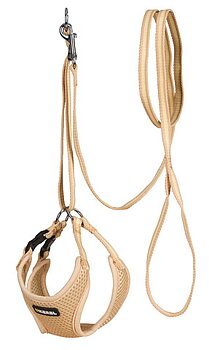
- A harness / leash and leash - preferably one that can be adjusted as the puppy grows fast.
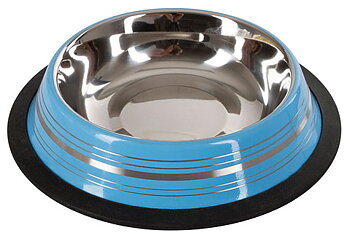
- Food & water bowl
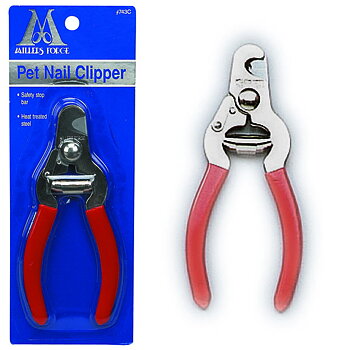
- A mower - should be replaced every 6 months or submitted for grinding. A claw that is not sufficiently sharpened can pinch and damage the dog's claw.
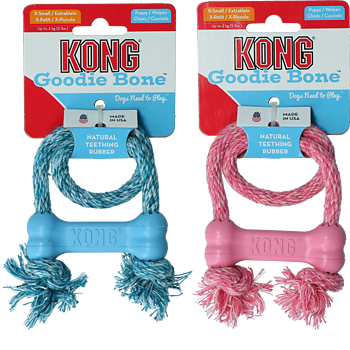
- Toys that can withstand the puppy's sharp teeth - you can too