Large selection Unique brands Nice prices


« Back to Tips & Guides
.jpeg)
Favour a healthy hollow of the heel - how to prevent mud fever
Now it is approaching late autumn and winter and as a horse owner you know what it means - muddy and wet pastures. Then it becomes especially important to think about the horse's joints, which become extra exposed to moisture and can easily get mold due to wound infections. Here you get valuable tips from Petster on what to keep in mind to avoid your horse getting affected.
What is mud fever?
Mud fever is a skin inflammation in the horse's hollow of the heel. It can be seen as both liquid wounds and dry scabs. Sometimes it can also appear higher up above the tibia and is usually called rasp. Lymphangitis is a complication of mud fever. This means that lymph vessels in the horse's legs have been inflamed and cause a large accumulation of fluid in the horse's legs.
What does it depent on?
The cause of this type of problem is in many cases bacterial infections, which affect the joint as the skin there is thin and sensitive. Therefore, light sores occur where bacteria can thrive if the skin is not kept clean. Mud fever can also be caused by parasites, such as foot rubs, which can then become a recurring problem. In the case of foot scab, the horse receives severe itching, which promotes bacterial growth in the micro sores that occur.
Mud fever and rasp can affect all horses, but there are risk groups that are more vulnerable than others. This applies, for example, to horses with a lot of hoofs and those with white legs.
The weather has a big impact. The task of the skin is to protect the internal organs against unwanted organisms. In the case of moisture and moisture, the protection of the skin deteriorates, it breaks down and microcores are formed where bacteria thrive. Inflammation is a fact.
Symptoms of mud fever
- Wonds in the tubular joint. Can be seen as wound crusts and the wounds can sometimes be fluid filled.
- Increased heat.
- Swelling.
- Redness, especially seen on horses with some pigment.
- Soreness in the affected area.
- Lameness, both because of swelling that causes the skin to tighten and because it hurts the wounds. In case of signs of lameness - contact veterinarian!
To prevent
- Hygiene is the key to preventing the emergence of mugs.
- Rinse and brush the horse's legs free of clay and dirt regularly, and extra if needed. A typical such occasion can be when riding on salted ground, which is often winter time.
- Be very careful when brushing your legs when they are moist and wet. There is slight micro damage to the skin that can cause bacterial growth.
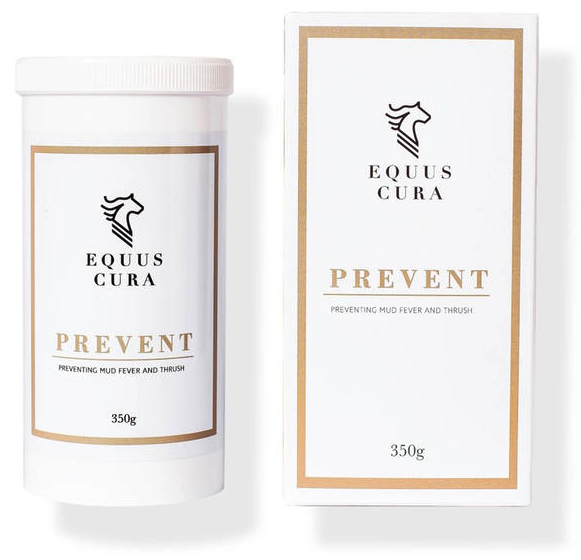
- Equus Cura has developed PREVENT, which is a good product to use for preventive purposes. PREVENT consists of an airy powder with self-adhesive properties and therefore adheres easily to the bone, to then absorb moisture. The product thus creates an environment where bacteria and mites are ill-tempered. Read more and buy this product HERE.
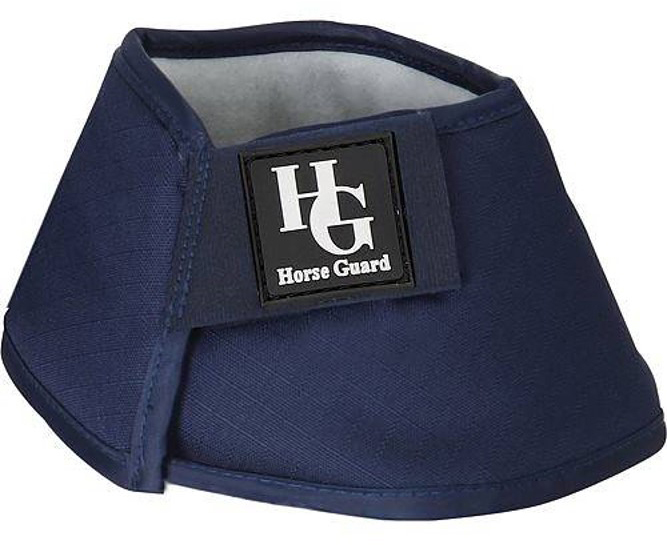
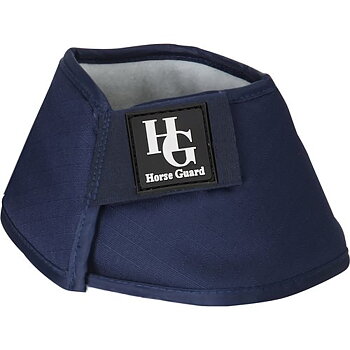
- Keep in mind that it is important that the horse stands on a clean and dry surface during the night. For longer periods inside the stable, these boots from HorseGuard can be good, which moisturizes the hoofs and prevents the appearance of dry cracks.
To treat
- Begin by softening dry crusts with vaseline (for example, salicylic acid vaseline) and leave for 20-60 minutes before you can gently peel it off. The crusts are important to get rid of because the bacteria stay under them.
- Then wash with 2% chlorhexidine soap and leave for 15 minutes.
- Rinse off any soap residue and then wipe the area dry.
- Then lubricate with softening antibacterial ointment.
- Perform the treatment daily until all traces of skin changes are gone.
- Headstock is a great way to keep your leg clean and dry. The sock is rubber covered over the hoof which prevents moisture and dirt. You can also add treatment fluid to the sock which may then appear undisturbed inside. If the horse needs to stand softer, there are also soles for the hoof-sock to buy for. Read more about the acclaimed sock Tubbease HERE.
Summary: Mud fever and products for prevention
- Mud fever is a collective concept for skin changes in the vascular joint, which often occurs in moisture and moisture in combination with dirt and which promotes bacterial growth.
- The sensitivity to mugs varies greatly. Everything from the environment to the individual horse's physiology comes into play.
- You can treat prevention during humid seasons, for example with Equus Cura PREVENT.
- Always be careful of good hygiene in the box, as well as care of hooves and legs.
- During a treatment, it is important to keep the surface treated dry and clean. Then a hoof-sock can be used as a cover.